
By Gail Gettis,
Contributing Writer,
Where could Mississippians learn how photography not only documented history but also helped shape the Black Arts Movement?
In a state not always known for celebrating its complete history and the contributions of all its citizens with sensitivity and support, a recent exhibit at the Mississippi Museum of Art (MMA) embraced Black culture while educating the public about African American achievement, inclusion, and artistic expression through the power of visual documentation.
The exhibit, Photography and the Black Arts Movement: 1955-1985, originated at the National Gallery of Art in Washington, D.C. On view in downtown Jackson from July 25 through Nov. 8, 2026, the exhibition provided a forum for screenings, seminars, and discussion sessions related to the collection.
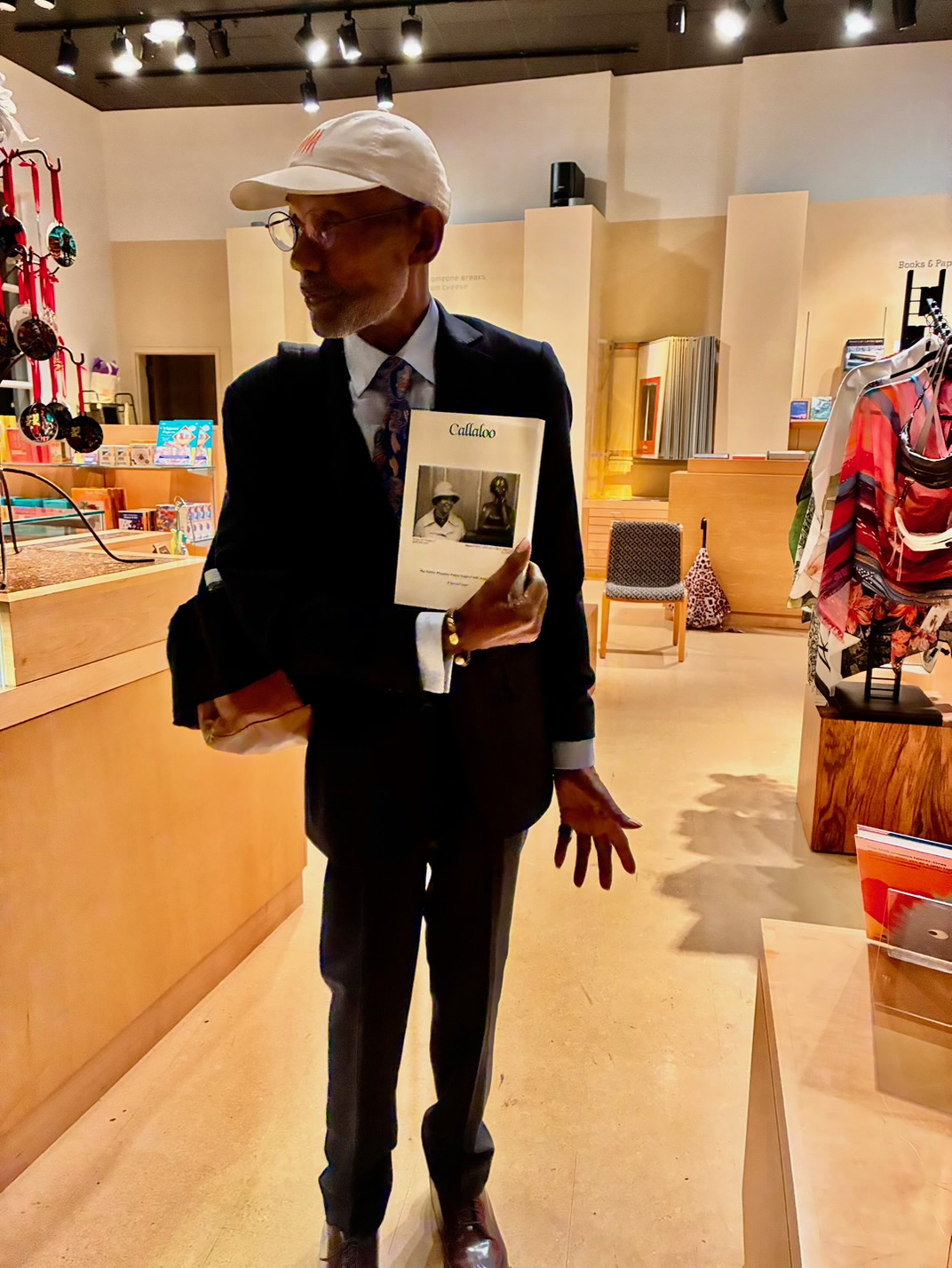
Kenya Rashel, an MMA employee who guided visitors through the impressive exhibition, spoke about the efforts of the museum board and supporters to secure the exhibit, which was originally slated to appear only at the National Gallery of Art in Washington, D.C., and The Getty Center in Los Angeles. Of the 162 photographs in the collection representing approximately 100 artists, 12 additional photographs were added at MMA because they were by native Mississippi photographer Roy Lewis and came from his personal collection.
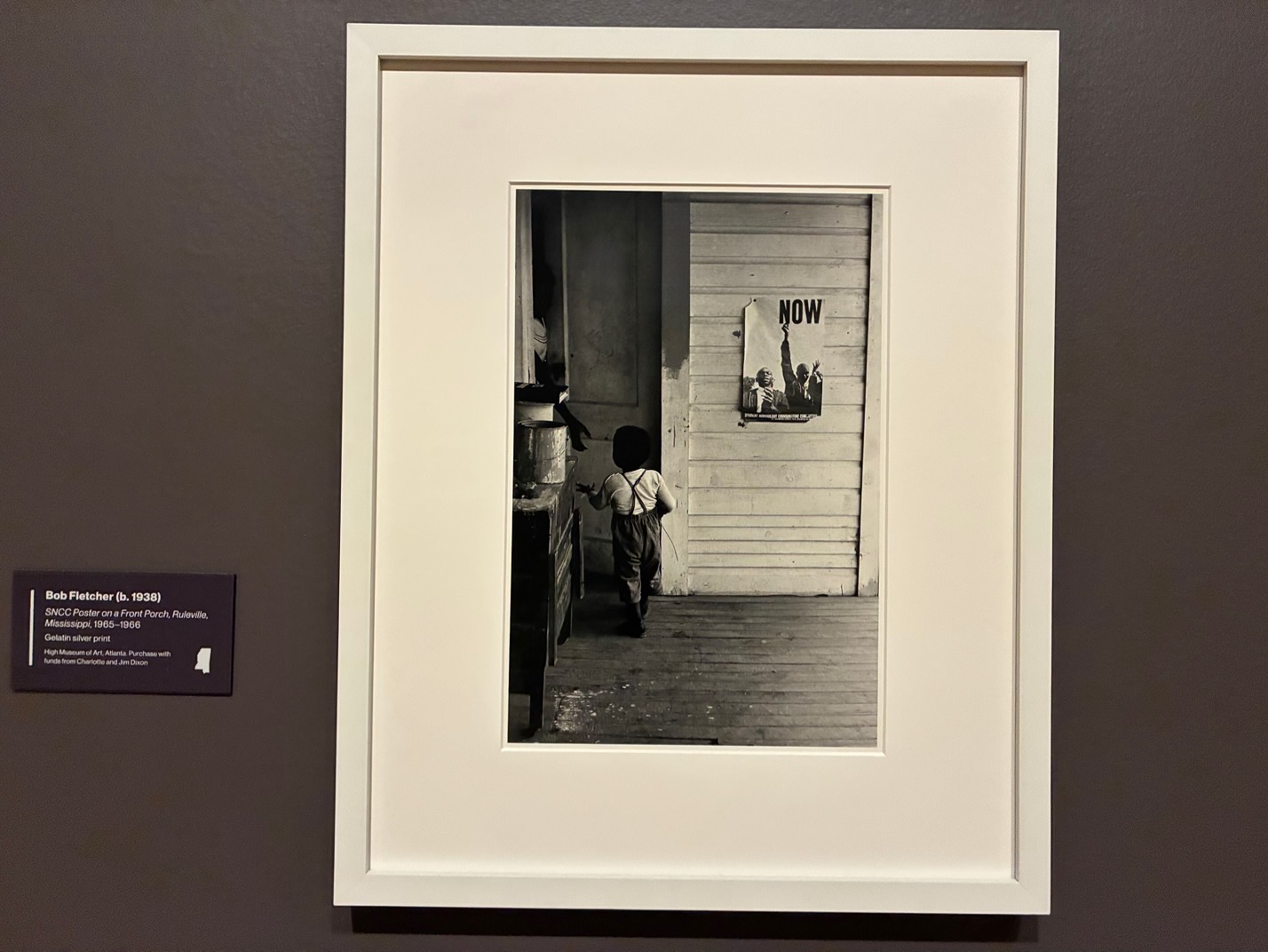
According to Rashel, museum curators identified several Mississippi connections among the photographers, their subjects, and the landscapes surrounding those portrayed. A state-shaped icon denoted Mississippi references, such as Bob Fletcher’s SNCC Poster on a Front Porch, Ruleville, Miss. (1965-1966). Lewis welcomed the opportunity to return to Mississippi and participate in the Wednesday night post-screening discussion of Weapons of Choice: Inspired by Gordon Parks (2021), a film derived from Parks’ 1967 autobiography.
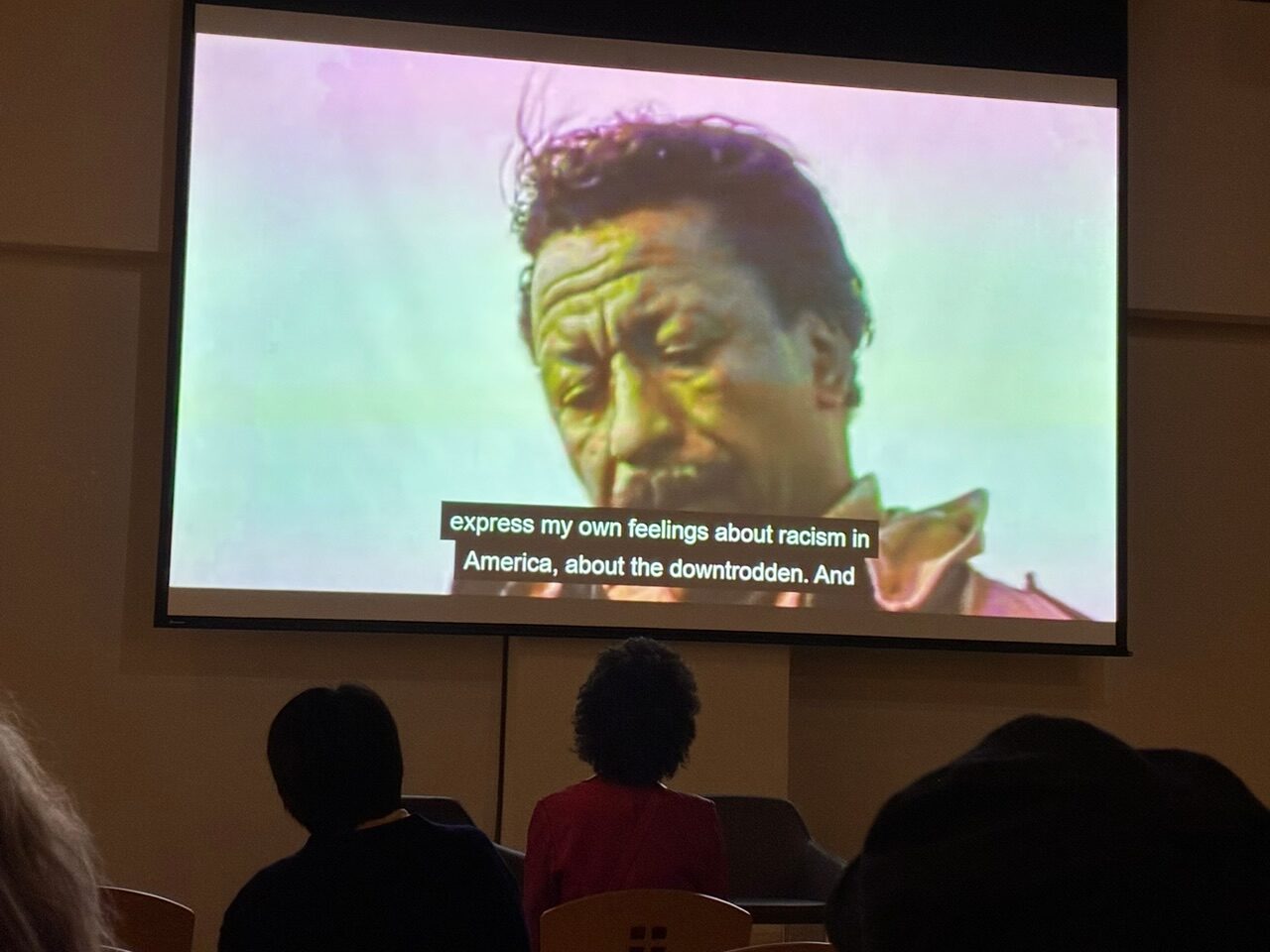
The screening of Weapons of Choice marked the exhibit’s culminating event during its final week. It served as a tribute to the legendary photographer, filmmaker, author, and activist Gordon Parks and the influence he had in paving the way for others as the first Black photographer for the iconic Life magazine, a weekly publication considered to have featured some of the greatest photography of its era. After evolving into a filmmaker, Parks introduced movies by, for, and about Black culture. Becoming the first Black director of major Hollywood films, he used his published book as inspiration for the high-grossing movie The Learning Tree (1969).
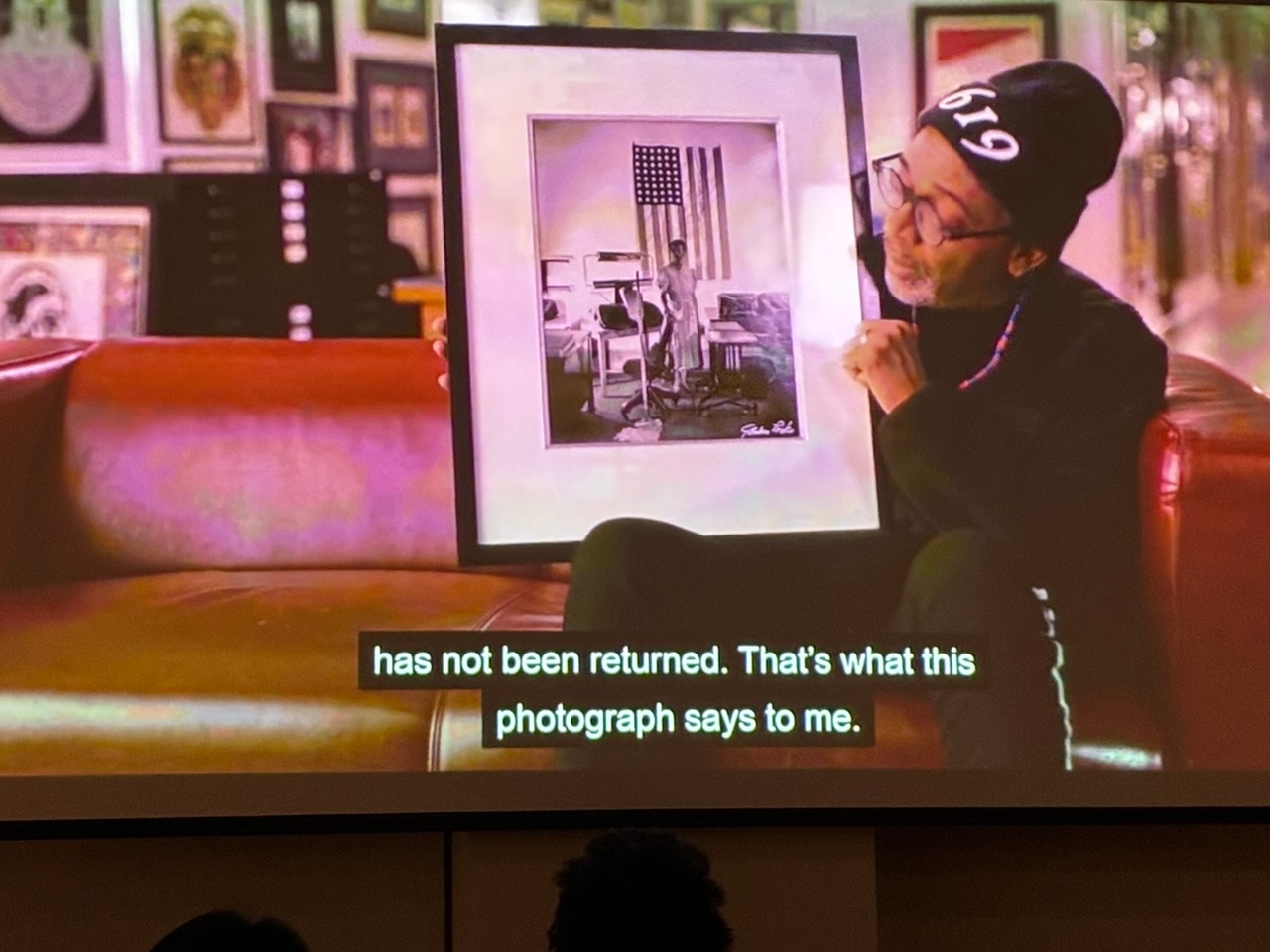
Not long after his directorial debut, Parks was credited with helping create the Blaxploitation genre, including the blockbuster film Shaft, which he directed in 1971. Many notable photographers and filmmakers shared what they admired about Parks and what they learned from him shaped their own careers, including Ava DuVernay and Spike Lee. Many admired Parks for using his camera to document Black life and inspire social change.
He used his camera as his weapon of choice. Yet there were also times when he was criticized for the raw honesty of his work, which often captured a more human side of Black Americans living under harsh and unfavorable realities. Parks famously said, “No one was a criminal 24 hours a day.” In the film, Anderson Cooper shared how Parks was hired to photograph his renowned mother, Gloria Vanderbilt. Cooper said he would not have become a reporter had he not witnessed Parks’ approach to recognizing humanity in his subjects. Spike Lee and other renowned artists also spoke of Parks’ influence on their professional careers.
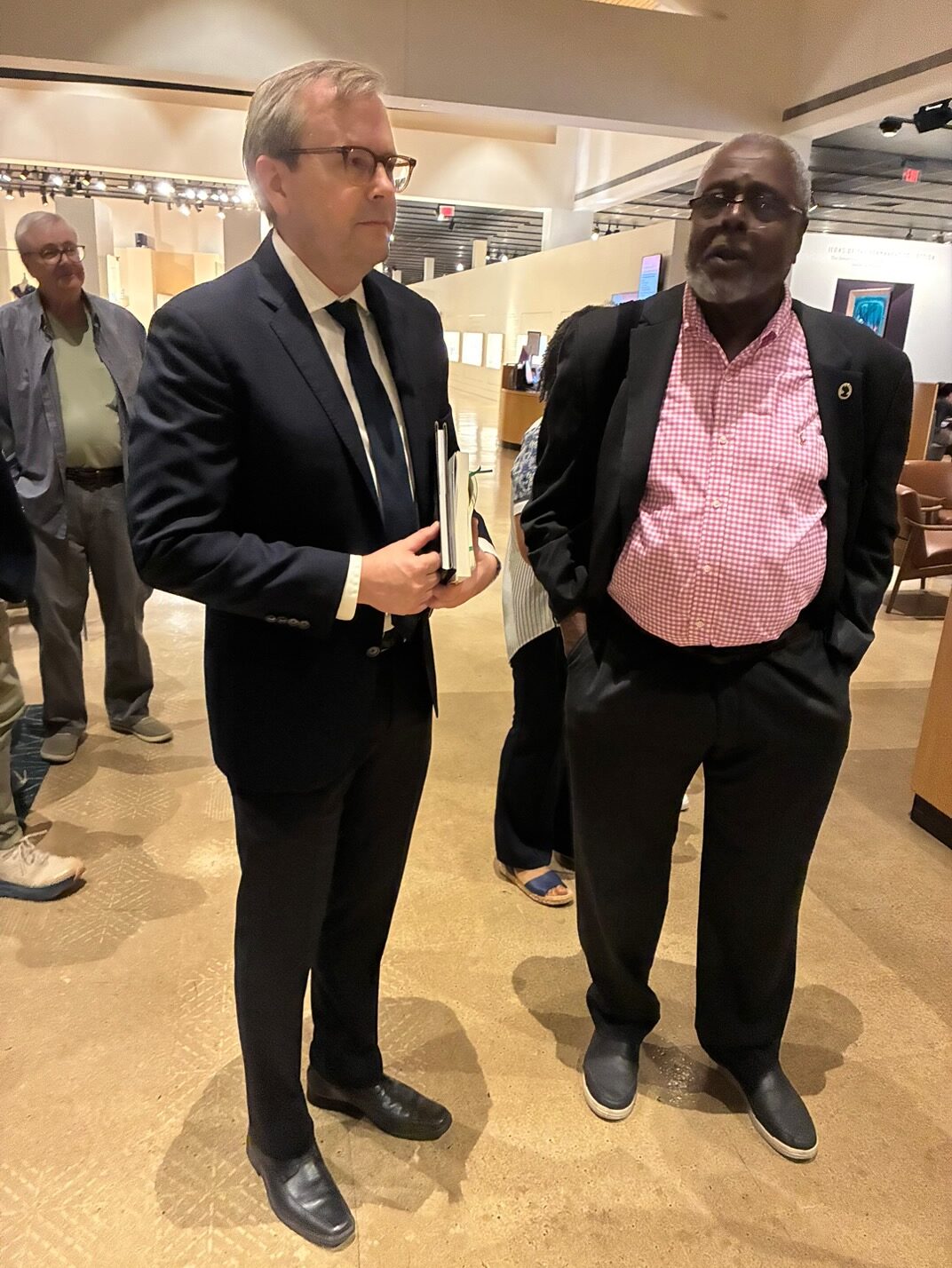
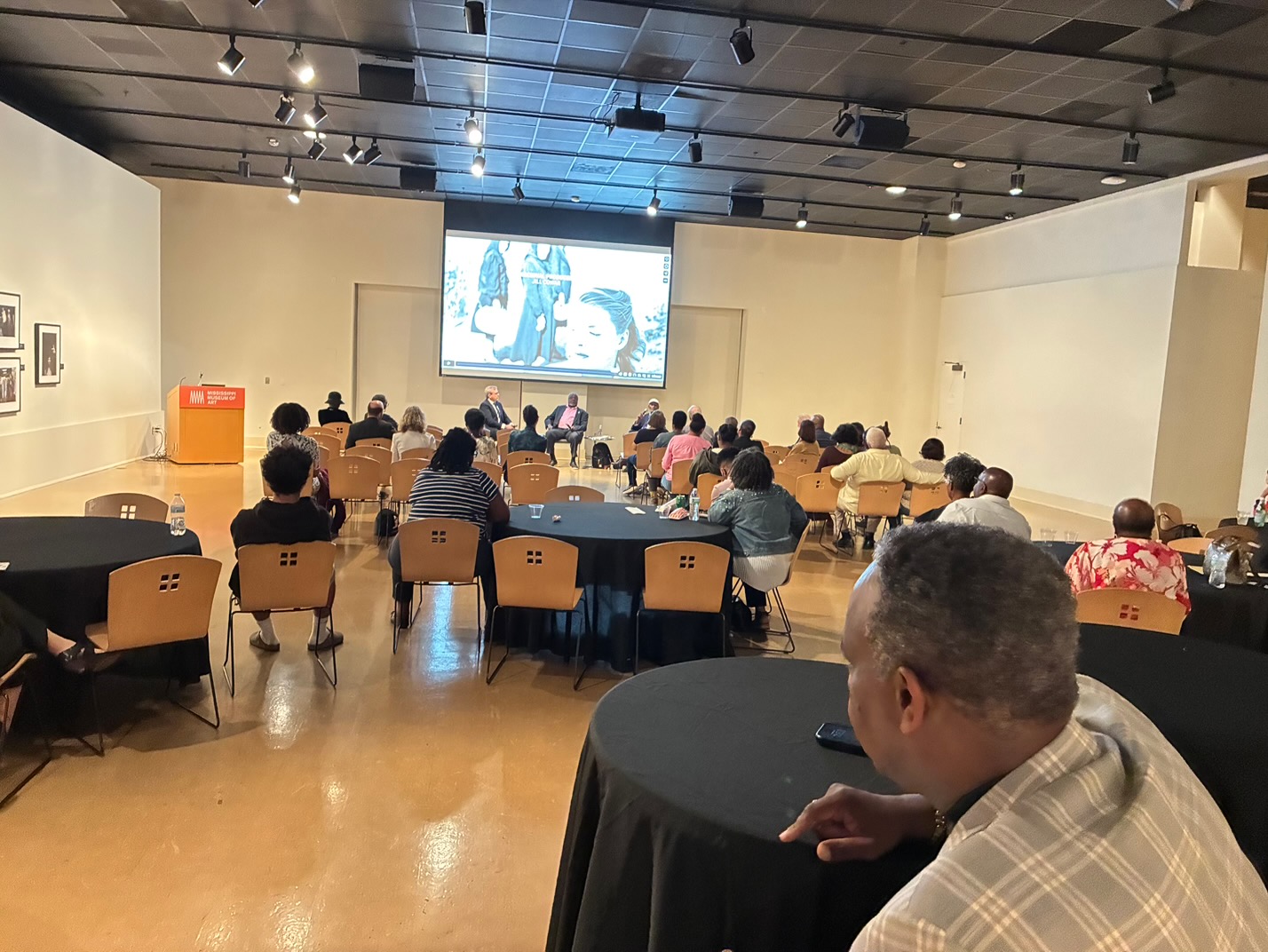
After the screening, Lewis sat before attendees for a discussion and question-and-answer session. Beside Lewis sat Baltimore Lives photographer John Clark Mayden. The panel discussion was moderated by Jackson State University photography professor Mark Geil, who asked the two photographers to share their thoughts on the film and provide insight into the inspiration and perspectives that guide their own work.
“I think it’s important to represent my culture,” said Lewis when Geil asked how he and Mayden navigate earning the trust of their subjects. “It’s more than taking pictures,” Lewis stated. He has respect for his subjects, and they are assured of that in his depictions of them.
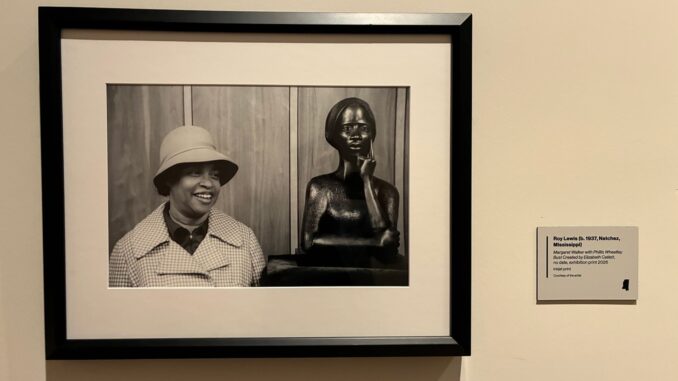
Lewis, born in Natchez, grew up as the son of a sharecropper living on a plantation. He earned his high school diploma in 1956 and later moved to Chicago, where he landed a job with Johnson Publishing. After being drafted into the Army in 1960, he developed his passion and talent for photography and purchased his first camera. With his photograph of musician Thelonious Monk appearing in Jet magazine, Lewis launched his professional photography career. Among his many credits, his photographs were featured in the Academy Award-winning film When We Were Kings (Gast, 1996). The list of striking photographs captured by Lewis is extensive, including those of Nikki Giovanni and Margaret Walker featured in the exhibit.
Baltimore native John Clark Mayden, born in 1951, is a photographer, author, and attorney. He served in the Baltimore City Solicitor’s Office for 34 years. During the 1970s, Mayden became inspired to photograph urban landscapes and members of his community. He described himself as a street photographer. His collection of portraits in Baltimore Lives (2019) depicts people encountered while walking city streets and riding buses throughout Baltimore. He said he is most comfortable taking these honest, deeply intimate photographs and helping people feel they are not invisible.
For more information on exhibits, artists, books, and resources, visit the Mississippi Museum of Art website at www.msmuseumart.org and stop by the museum gift shop.
Featuring more than 100 notable photographers:
Willis, Deborah. (2026). Photography and the Black Arts Movement, 1955-1985. Yale University Press.
Featuring Roy Lewis and other African American and local notable writers:
Lewis, Roy. (2024). The Original Festival Through My Lens. Callaloo, The Phyllis Wheatley Poetry Festival 50th Anniversary: A Special Issue, Vol. 42, pp. 122-133. Johns Hopkins University Press.
Be the first to comment