By Christopher Young,
Contributing Writer,
After months of escalating U.S. military pressure against Venezuela, events shifted dramatically a few days ago with direct U.S. military action and the removal of the country’s ruler, Nicolas Maduro. The move has abruptly ended one phase of Venezuela’s long political crisis and opened a far more uncertain one.
Venezuela now faces urgent questions about governance, legitimacy, and democratic recovery. Who exercises authority next, how institutions are rebuilt, and whether Venezuelans can move toward a stable and inclusive political transition remain unresolved in a country already weakened by years of economic collapse and institutional erosion.
The consequences extend beyond Venezuela. The use of military force to remove a government raises fundamental questions about the direction of U.S. foreign policy and whether this moment signals a broader return to aggressive interventionist strategies, with implications for international norms and global stability.
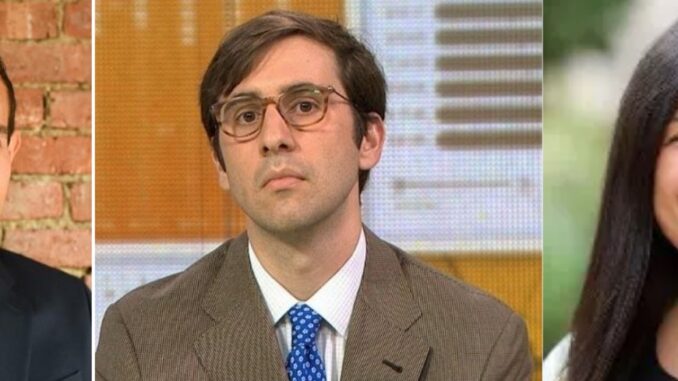
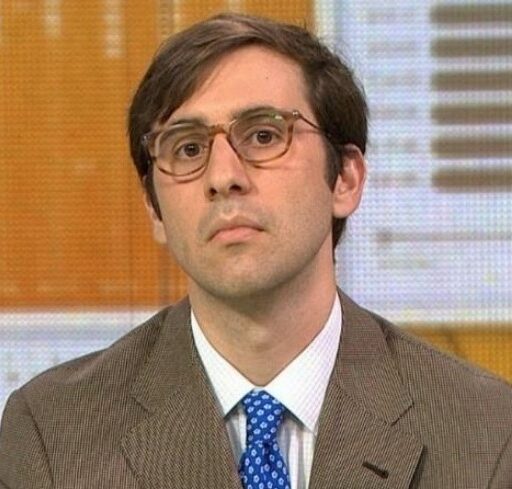
Friday, January 9, 2026, American Community Media conducted an online forum, as part of their National Briefing Series, attended by seventy media organizations from around the world. Co-producer of the series, Pilar Marerro, served as moderator, guiding the three panelists and high volume of questions. She began introducing Dr. Alejandro Velasco of the Gallatin School of Individualized Study and the Department of History at New York University.
The first question – after years of political crisis and institutional erosion, how are Venezuelans interpreting this moment following the removal of the country’s present through military action, but leaving their regime in charge? “First, is just anxiety…the crisis has been going on for decades in various ways, we’ve now entered an entirely new phase. The idea that the United States has actually taken direct military intervention…sort of intervention through extortion…the second thing is confusion, because nothing has changed functionally. There’s also the strange sense of, not hope, but that a political game has been unstuck after so long.”
In speaking to the possibility of democracy in Venezuela, the moderator said that she herself is Venezuelan, and stated that she was shocked that President Trump, after only a few hours, essentially threw Maria Corina Machado under the bus. Dr. Velasco indicated that “Trump isn’t thinking about her…if you’re going to have a democratic transition, like you did in regimes in South America, you need to know that the United States is behind it. Trump seems to be focused on oil and whatever success he thinks this was…is it surprising that Donald Trump doesn’t care about democracy? I mean, I’m not surprised about that.”
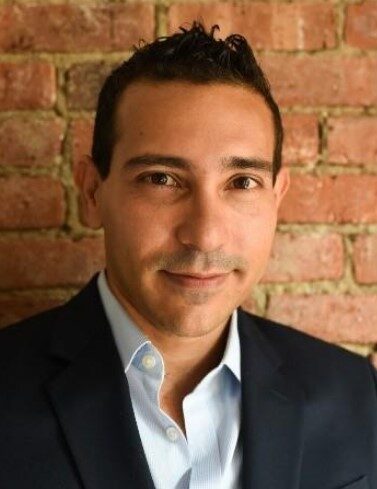
The next panelist, Mariano de Alba, a Venezuelan lawyer and associate fellow at the International Institute for Strategic Studies, spoke to the power vacuum that has been created. “I think it’s quite clear that there’s no legal way to justify this operation. There are a set of rules that were agreed to after World War 2. They are established very clearly in the UN charter. They include not only a provision on the use of force, but also a provision on the threat of use of force, which is something that we have now seen. Force can only be used in exercising a legitimate right of self-defense. It’s not a surprise to anyone that the United States has historically, depending on who is in charge, a sort of cherry-picking approach to compliance with international law. It has tried to comply with the international law, but in some instances, that has been a limit that the US doesn’t want to respect.”
He continued, “the narrative that Trump has put forth is false – that Maduro is the head of a drug-trafficking operation, that Cartel de los Soles – which is not in any way akin to actual drug cartels like those operating in Mexico – is doing the trafficking, and that traffickers have co-opted the government to turn a blind eye to drug operations. He misinforms that millions of drug traffickers have left Venezuela for the US, along with people from mental institutions – it’s all a totally false narrative.”
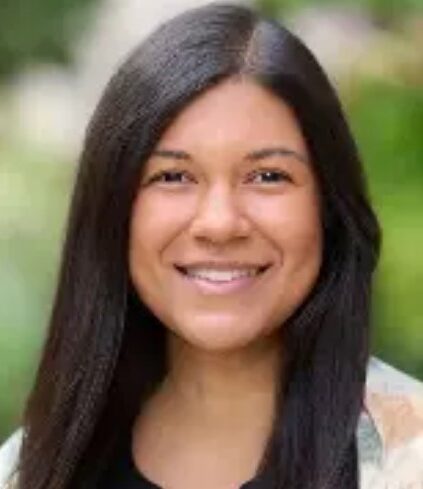
The final panelist, Roxanna Vigil, is an International Fellow at the Council of Foreign Relations. She was asked about US goals moving forward, and what journalists should know about what Washington is trying to achieve. “I’ll focus first on this oil objective because even though Secretary Rubio has outlined a three-phase plan, we haven’t heard President Trump mention anything about a democratic transition… until we hear him, particularly on some policy or some support for a (democratic) transition, my sense is that that is not going to be an actual part of the plan. Institutional changes and structural changes can really only be done by a democratically elected government, and then there’s needs to be investment, and the rule of law to give investor’s confidence that their investment will be secure.”
Vigil continued, “I think what President Trump has said is that revenues from oil sales will benefit the Venezuelan people, yet are they being represented at the proverbial table. You have the US government, and you have Delcy Rodriguez as interim president. It’s a very big question what the mechanism will be of how the people of Venezuela will be represented and informed.
Please go to https://americancommunitymedia.org/media-briefings/venezuela-after-u-s-military-action-what-comes-next-for-the-country-and-the-world to watch the entire hour-long briefing.
Be the first to comment