
By Jeriah King,
MVSU Mass Comm Student Journalist,
 Mississippi Valley State University celebrated the life and lasting influence of blues legend B.B. King during its 12th annual B.B. King Day Symposium Sept. 3, bringing musicians, scholars and blues historians together to examine how technology has shaped the music King helped bring to the world.
The symposium, held in the Carver A. Randle Sr. Auditorium inside the W.A. Butts Social Sciences Building, focused on the theme, “Blues, Its Present and Future — The Advancement of AI Technology and the Preservation of a Blues Culture.”
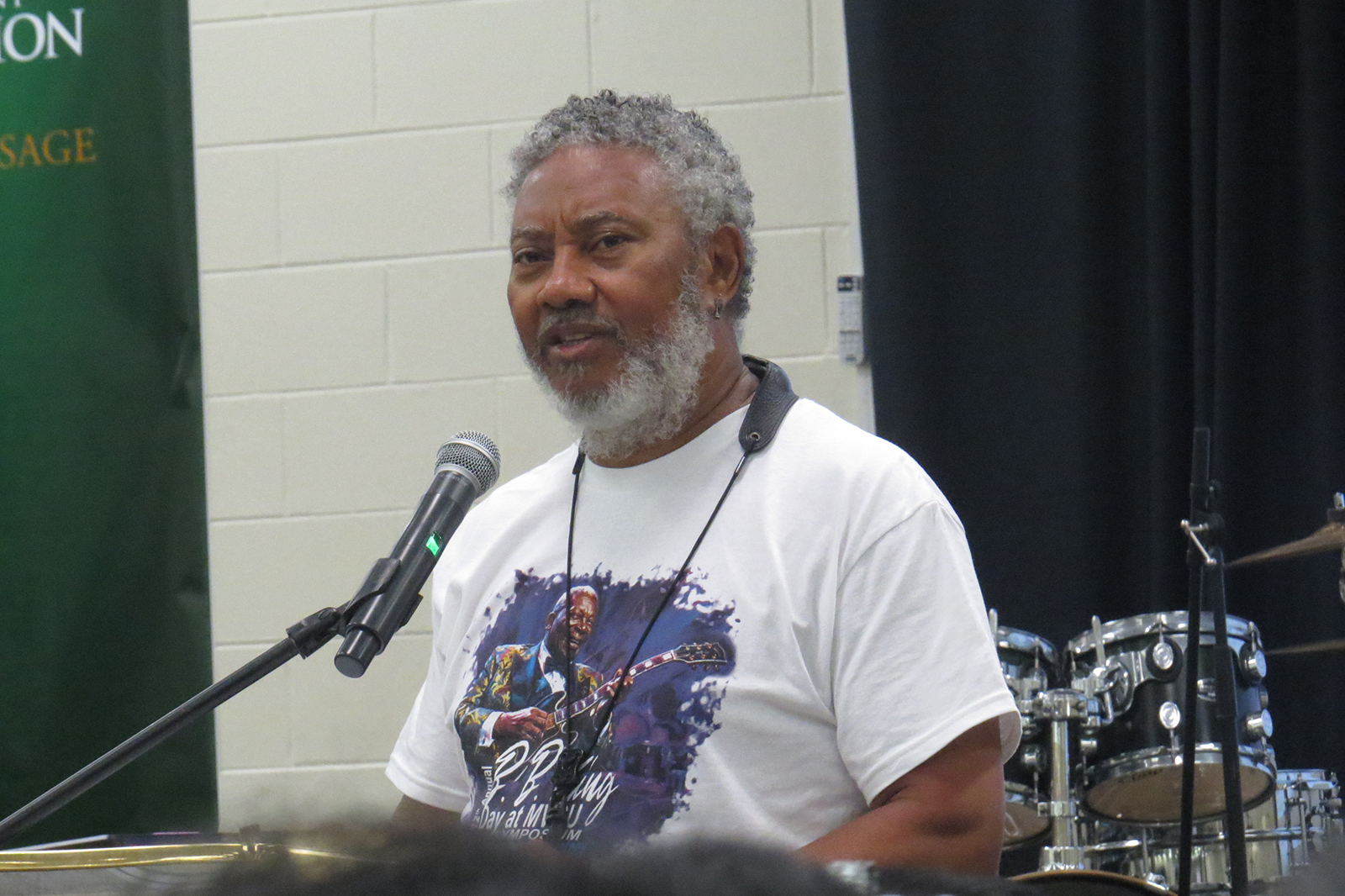
MVSU President Dr. Jerryl Briggs Sr. welcomed students, faculty and visitors and emphasized the importance of continuing to celebrate King and the culture of the Mississippi Delta.
Briggs said events such as the symposium allow the university and surrounding community to recognize their history while creating opportunities for students to learn from it.
 “It’s a great day to be in the Valley,” Briggs said before encouraging students to listen, ask questions and take advantage of the discussions throughout the day.
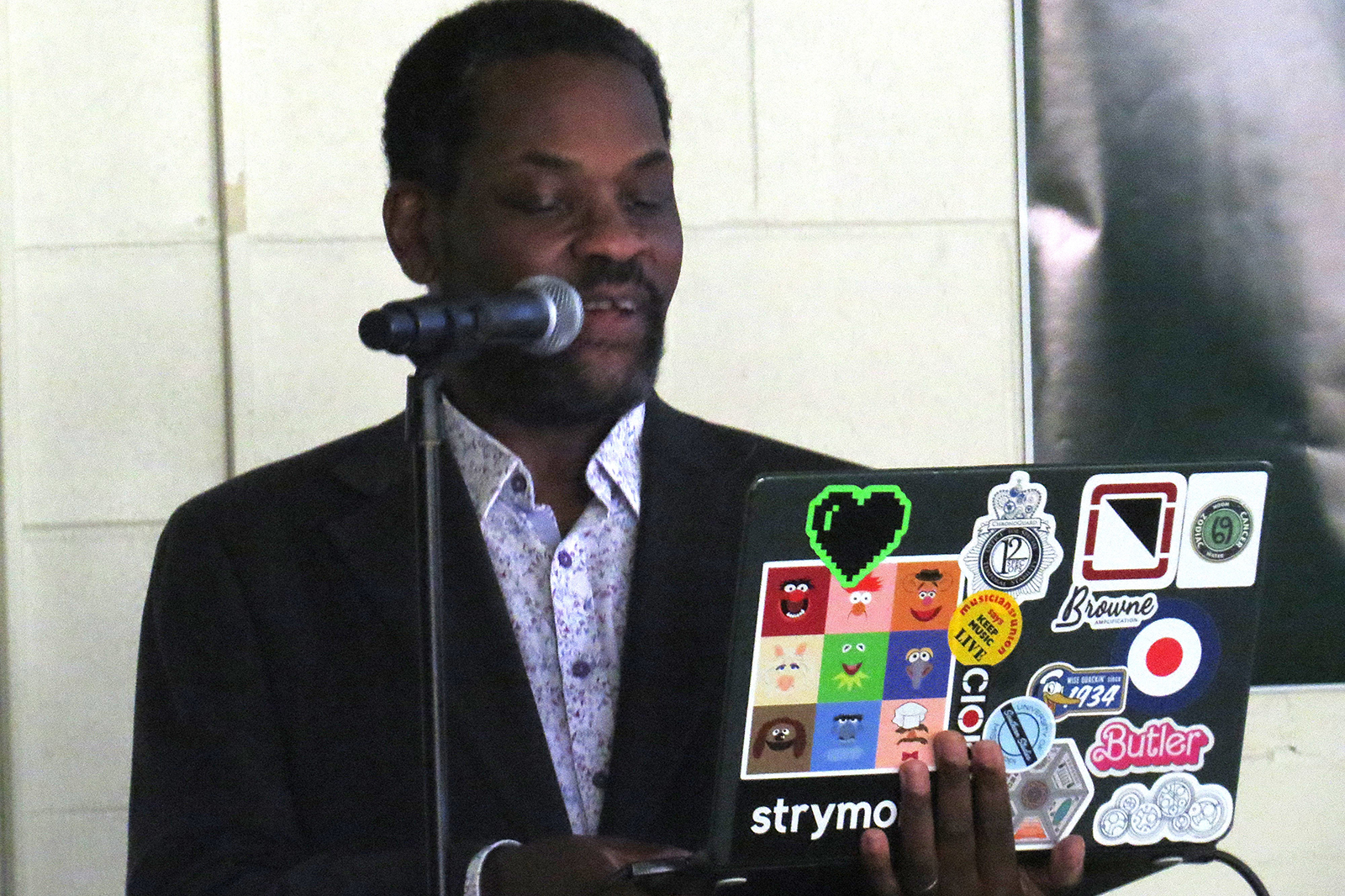
The program was moderated by symposium founder Alphonso Sanders and included presentations from Robert Terrell, deputy director of the B.B. King Museum and Delta Interpretive Center; Scott Barretta, a Mississippi blues researcher and writer; and Dr. Tom Attah, an assistant professor of sociology and Southern studies at the University of Mississippi.
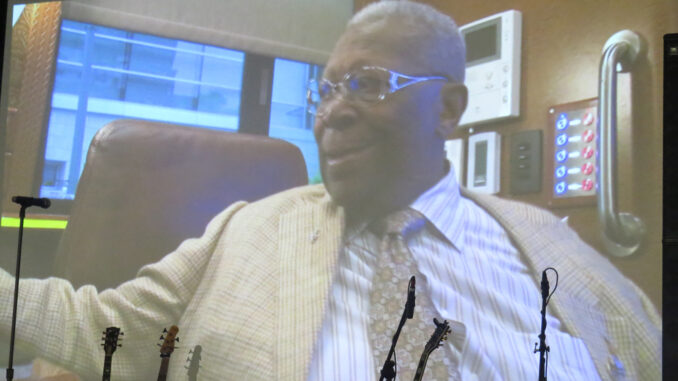
Terrell opened his presentation with archival footage showing King throughout different stages of his life and career. The footage highlighted not only King’s musicianship but his willingness to embrace new technology.
 Terrell said King was often among the first to become interested in emerging devices and used technology throughout his career, including computers, mobile phones and advanced entertainment systems aboard his tour bus.
“He really thought that technology was really important,” Terrell said.
The presentation also showed that King’s musical interests stretched beyond the blues. Terrell noted that King performed and recorded blues, gospel, R&B, jazz and country music during his career.
Barretta continued the discussion by tracing the development of technology King experienced from his childhood in rural Mississippi to becoming an internationally recognized performer.
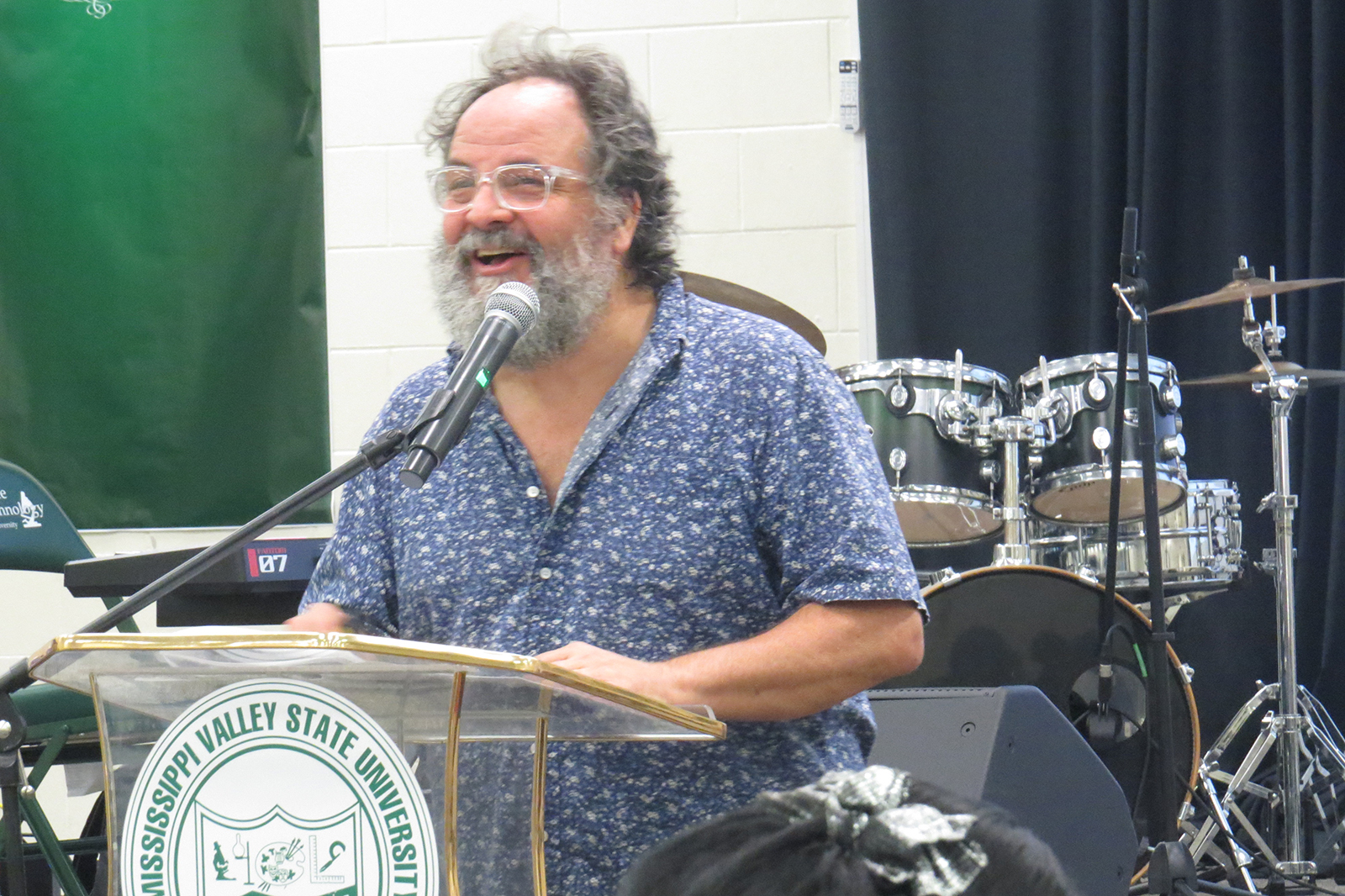 Barretta explained that King grew up during a period when many rural Mississippi households did not yet have electricity. Radio, phonograph records and jukeboxes became important ways for King and other musicians to hear music outside their communities.
King later used radio to reach audiences of his own. Before becoming an international star, he performed with the Famous St. John’s Gospel Singers on WGRM in Greenwood and later worked as a disc jockey at WDIA in Memphis.
Barretta said technology continued to follow King throughout his career as music moved from 78 rpm records to 45s, LPs, reel-to-reel tape, cassettes, CDs and eventually digital media.
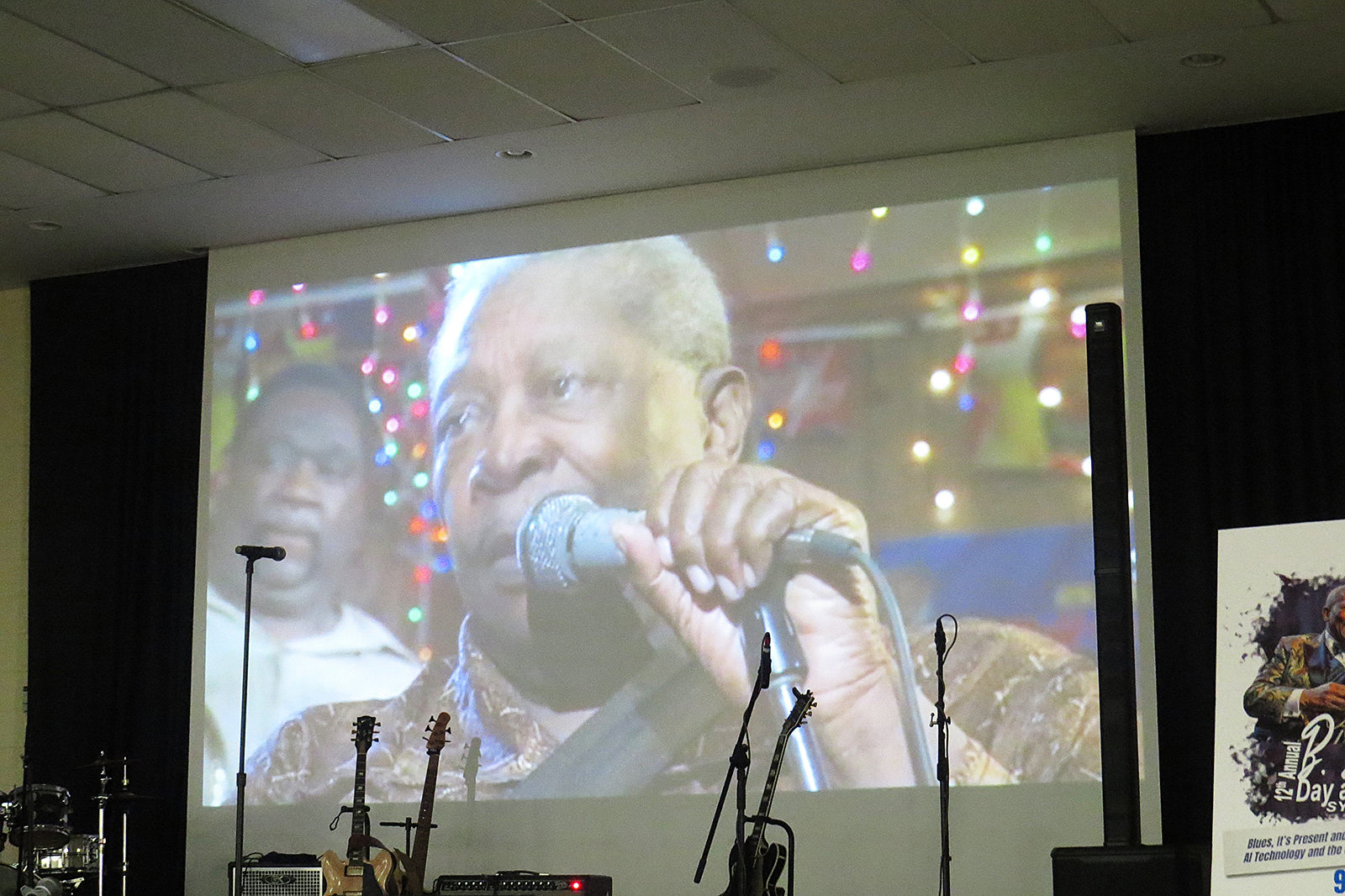
Even as those formats changed, King consistently adapted.
The symposium also placed King’s career within the larger history of the Mississippi Delta, where generations of blues musicians developed music that would influence R&B, Rock ‘n’ Roll, Soul and other genres.
Attah offered another perspective on the blues and its influence during an interview at the symposium. Originally from England, Attah said people sometimes assume he knows little about the blues because of his origins.
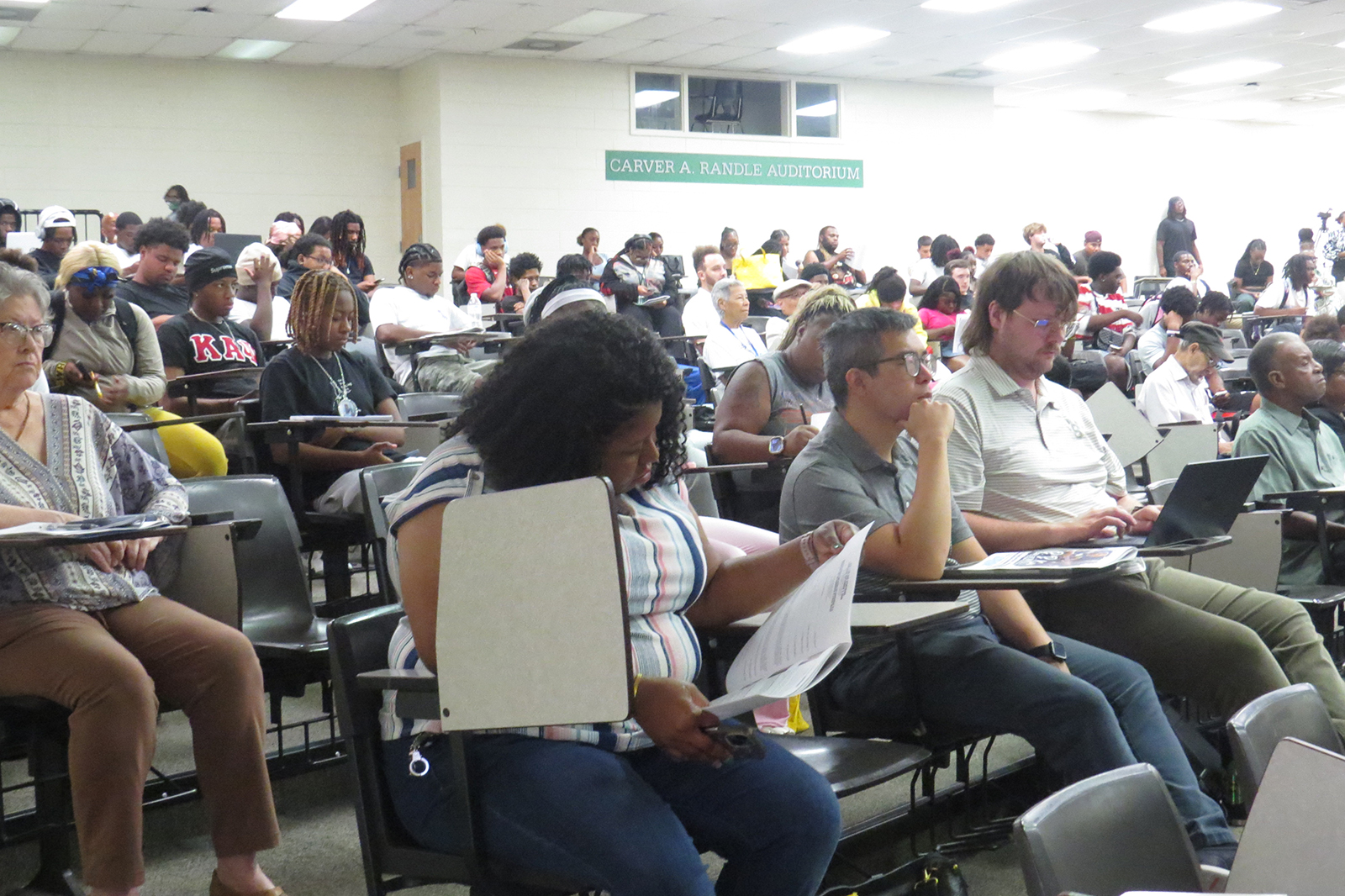
His connection to the genre began when a friend introduced him to Chess Records, where he discovered Muddy Waters and developed a love for blues music.
“All music leads back to the blues,” Attah said.
Attah also spoke about what makes the blues relatable to people regardless of their circumstances or emotions.
“If you’re sad, you can listen to the blues. If you’re happy, you can listen to the blues. If you’ve just lost your mate, you can listen to the blues,” Attah said. “It does not matter.”
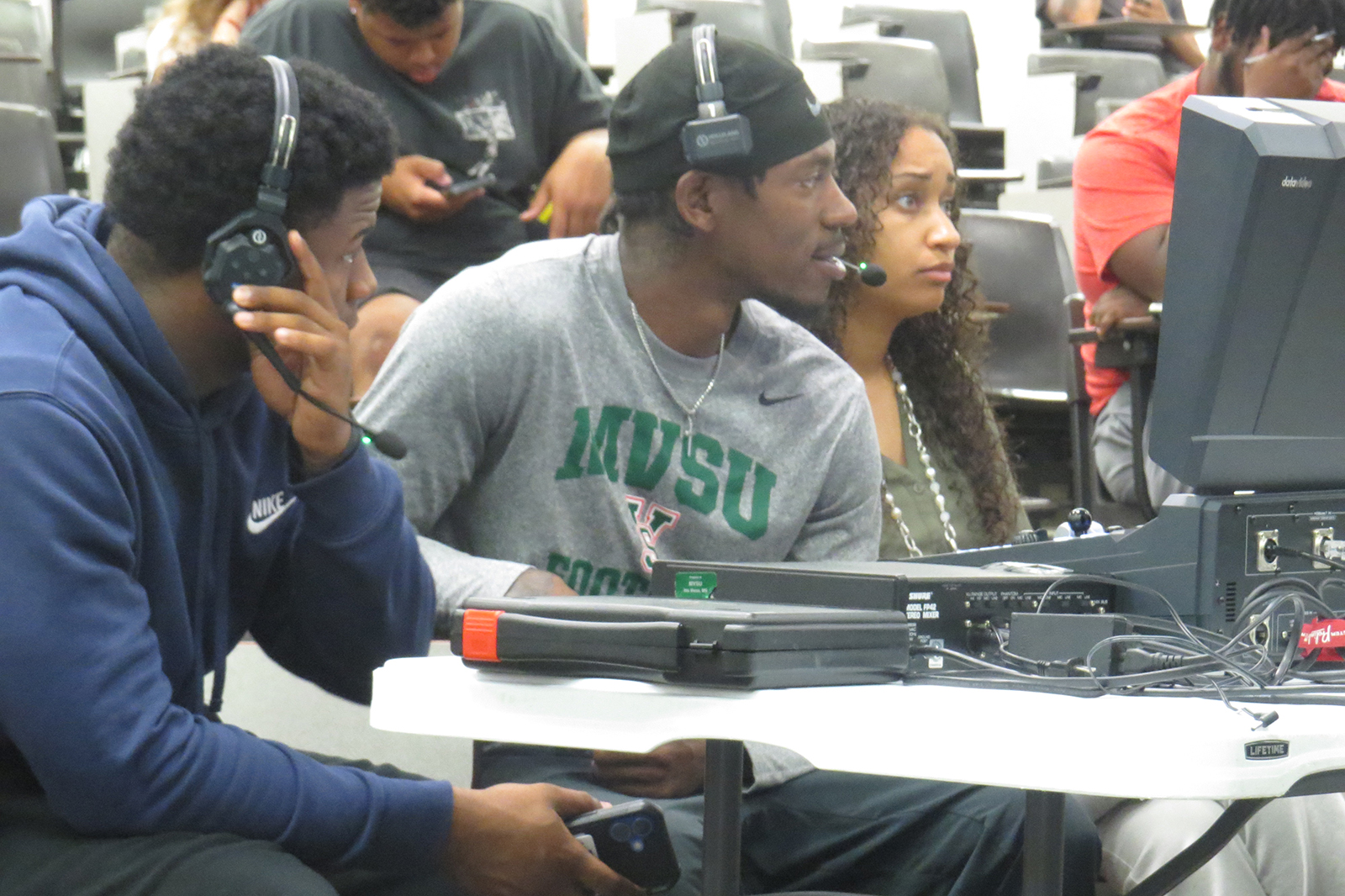
Also, a blues scholar-musician, Attah gave an insightful and innovative presentation on how AI and other technologies may reshape or preserve the blues and other music in the future. (https://olemiss.edu/profiles/tattah)
For students, the symposium offered a chance to see B.B. King as more than the musician behind songs such as “The Thrill Is Gone.” Presenters described a performer who remained curious about new ideas throughout his life and used changing technology to preserve, study and share music.
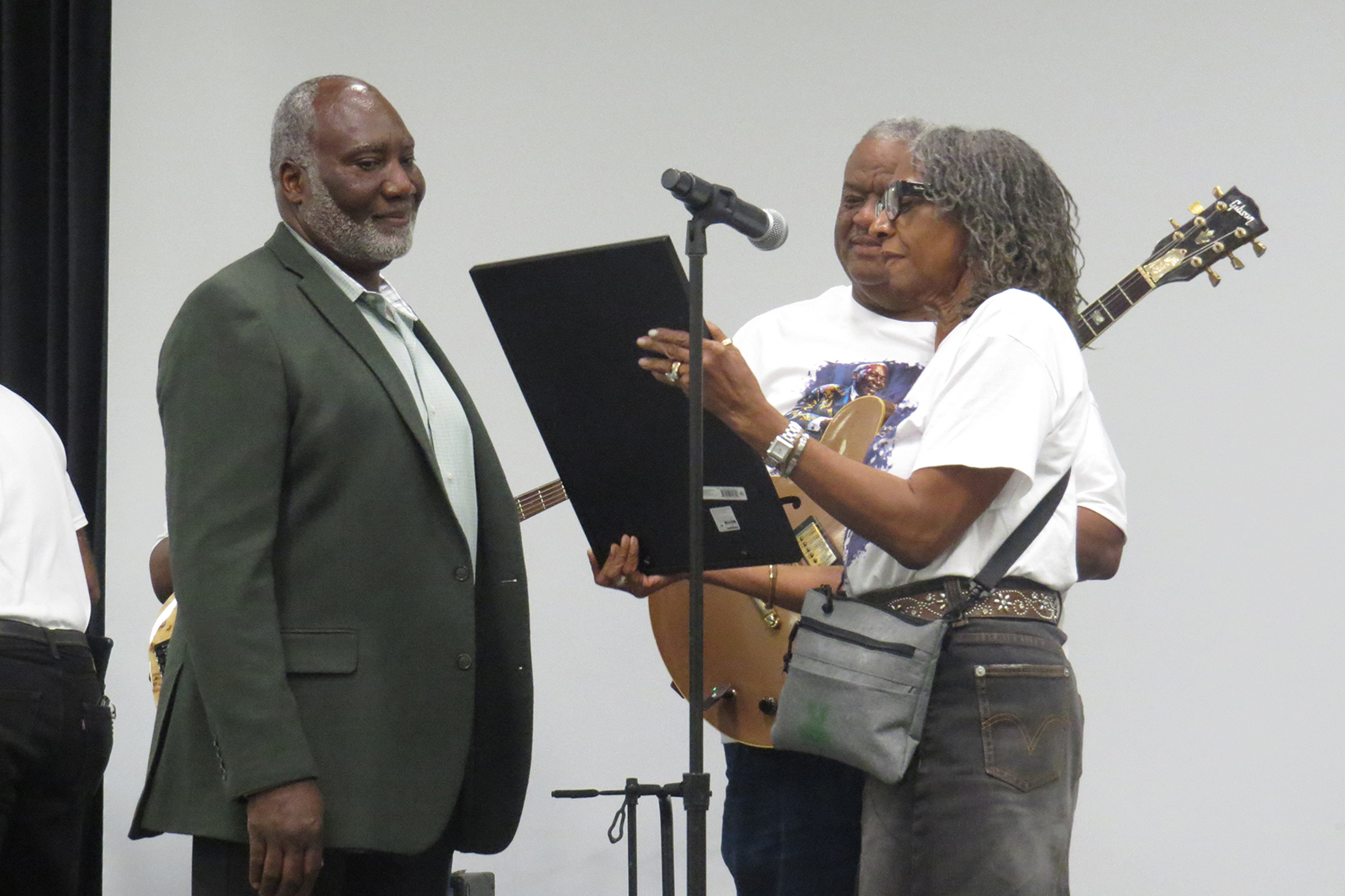
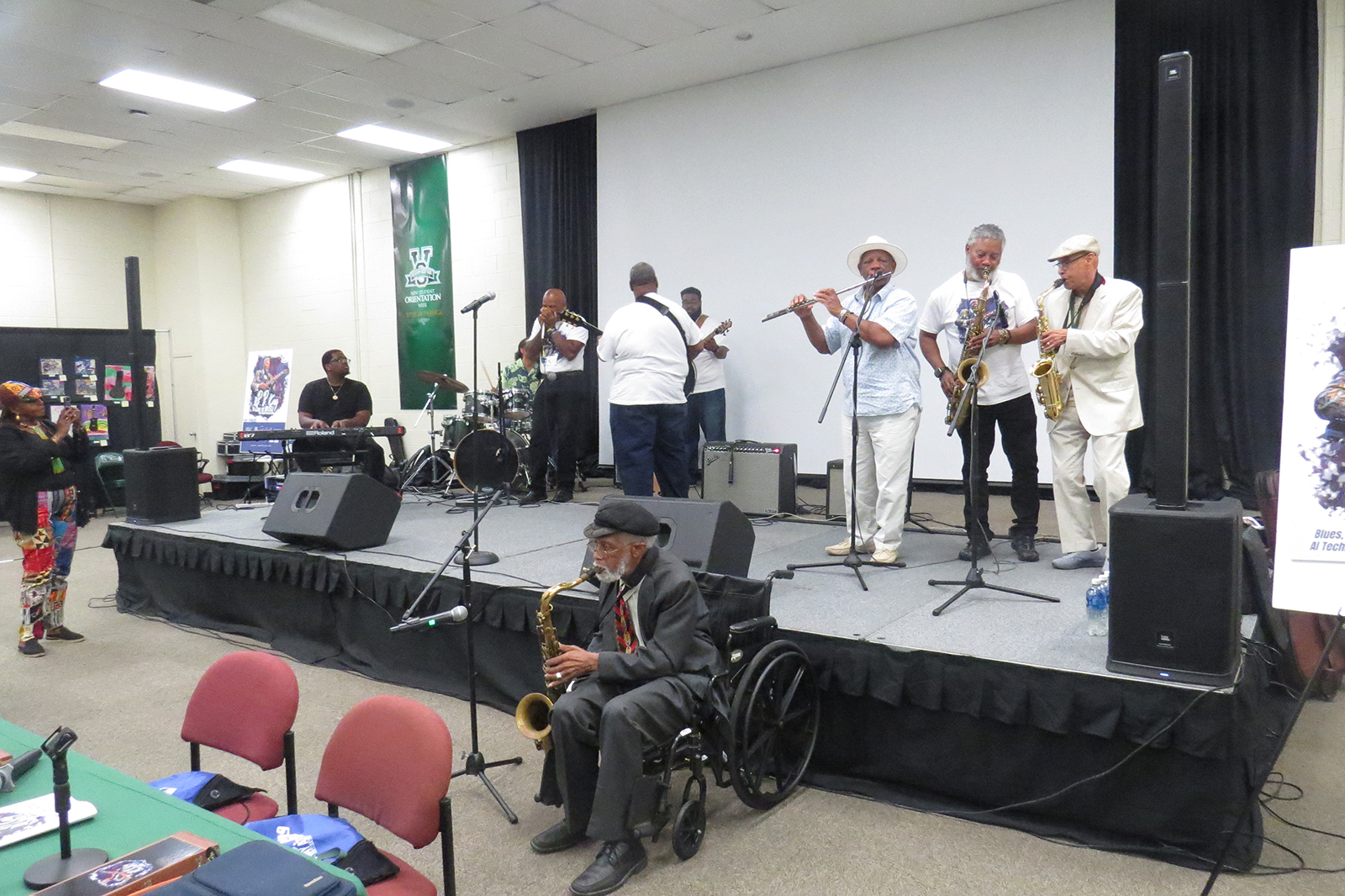
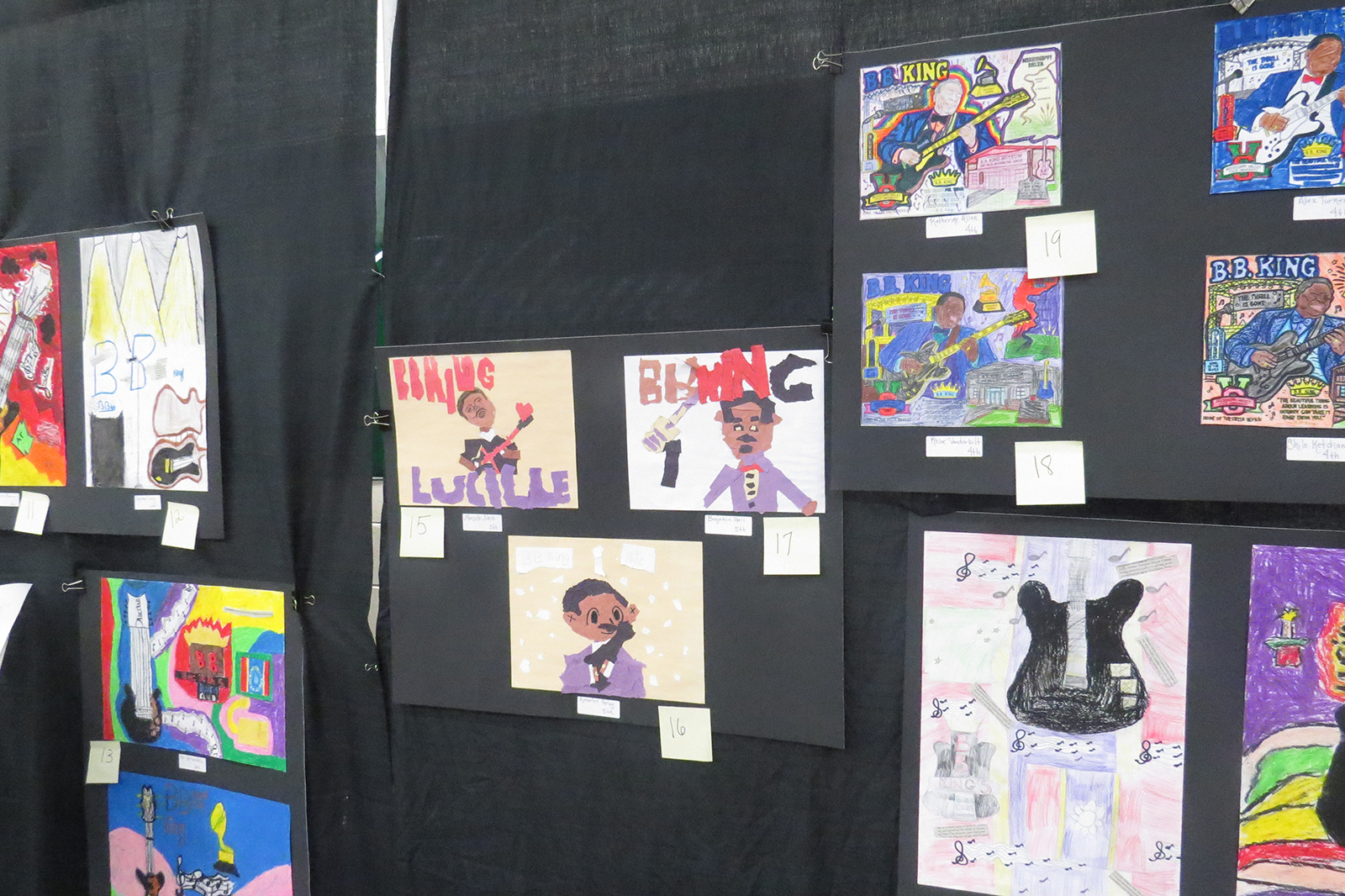
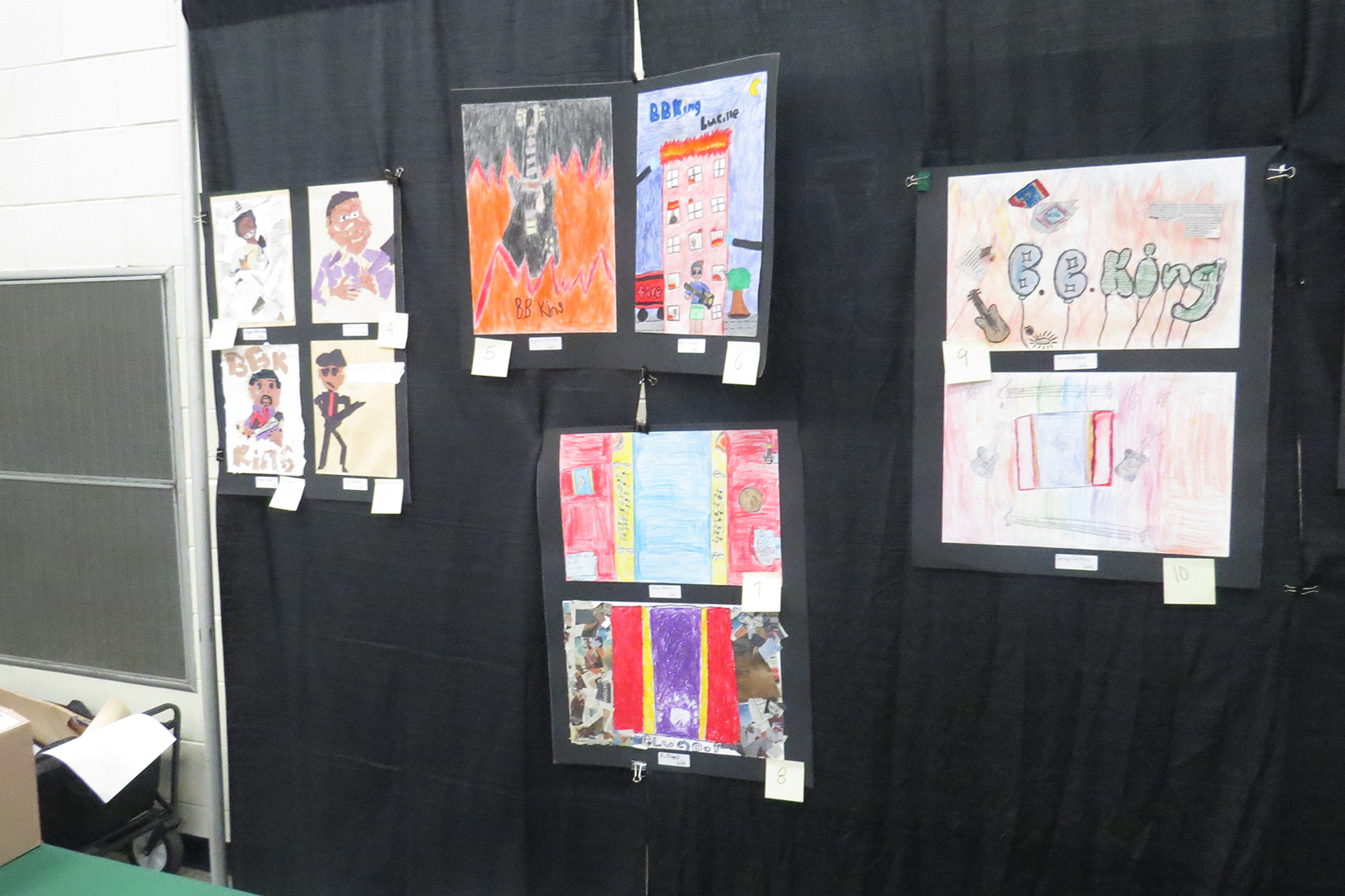
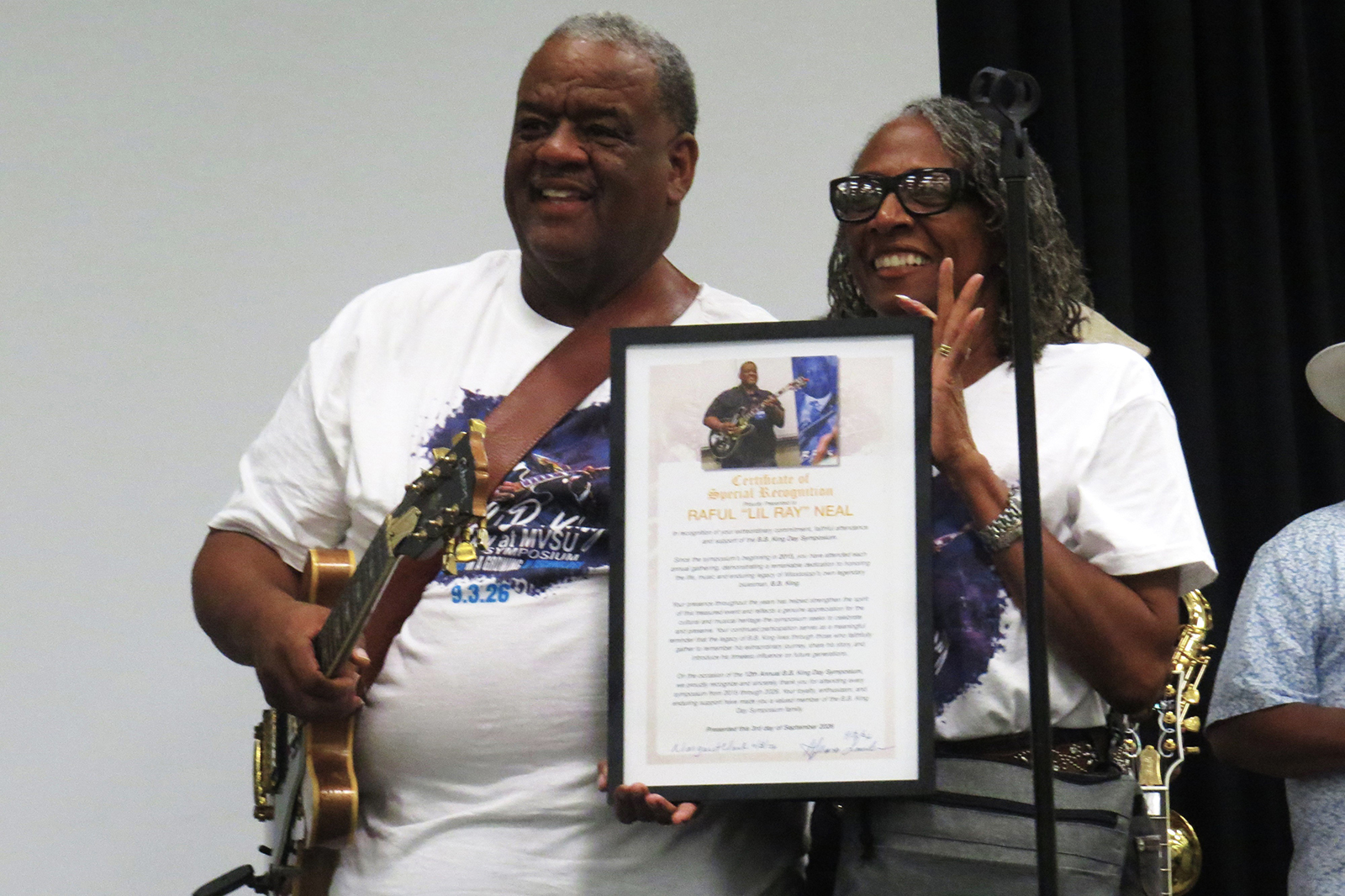
The event concluded with recognition of the B.B. King Art Competition and a finale featuring King’s famous guitar, Lucille, played by blues guitarist Lil’ Ray Neal. Evening performances were also scheduled at Club Ebony in Indianola.
More than a decade after King’s death, the annual MVSU symposium continues to connect his Mississippi Delta roots to new generations while examining how the Blues can survive and evolve in an increasingly digital world.
Be the first to comment