

By Christopher Young,
Contributing Writer,
The 2026 Ebola outbreak in the Democratic Republic of the Congo and neighboring Uganda has rapidly become one of the most serious Ebola crises ever recorded. Caused by the rare Bundibugyo strain of the virus, the outbreak has spread across multiple provinces and international borders.
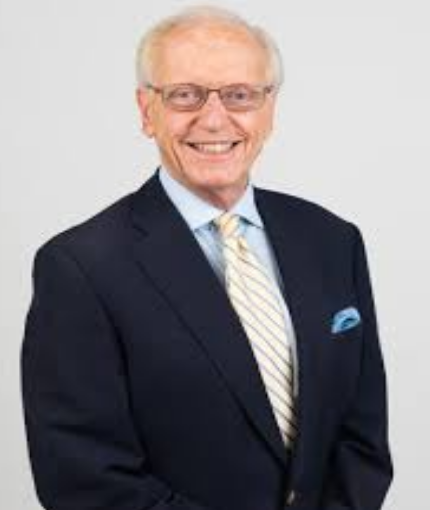
Photo: www.vumc.org
As of mid-June 2026, the World Health Organization has reported nearly 700 confirmed cases and more than 130 deaths, with numbers continuing to rise. Speakers discussed the Bundibugyo Ebola virus and its rapid spread. There is currently no vaccine against Bundibugyo. Speakers also discussed armed conflict throughout Central Africa, and how regional warfare hampers aid efforts, including the mistrust of public healthcare settings. Additionally, the discussion included misinformation stemming from the region and the African American diaspora’s response to the crisis.
Dr. William Schaffner, Professor of Preventive Medicine and Infectious Diseases at the Vanderbilt University School of Medicine, kicked off the briefing when asked by the moderator – Sunita Sohrabji – for a bit of a primer on this particular virus. “It’s part of a group of viruses that are called the viral hemorrhagic fever viruses. It is maintained in the wild. Its reservoir, we think, is in fruit bats – and could be getting into humans by hunters butchering them for bush bait, perhaps cutting themselves along the way. Another theory is that a fruit bat ate a piece of fruit then dropped it and a child picked it up and digested the saliva. Once the virus is introduced to the body it incubates. The interval between expose and illness can be between days or weeks.
After the incubation period the individual becomes sick – fever is very characteristic, also non-specific symptoms – aches, pains, loss of appetite. The virus continues to multiply within the body over time – nausea, vomiting, diarrhea, sometimes bleeding. As person becomes progressively ill, coma can ensue, blood pressure drops, and organs begin to shut down.”
He emphasized that spread often occurs with contacts – family and friends – that are serving as caretakers, who get exposed to the extremely dangerous fluids. “We have no direct anti-viral medications for treatment. There is no vaccine currently. The capacity for spreading in local areas is very real, yet the risk for transfer to the rest of the world is relatively low.”
Ms. Sohrabji asked Dr. Schaffner if he believes there is an underreporting of cases. “Always the answer to that question is yes, sometimes there is shame involved and so cases and even deaths are underreported.” Aitana Vargas of the USC Center for Health Journalism asked about the impacts of Trump’s policies and cuts to USAID during a crisis like the one we are seeing right now. “It’s clear that the United States has withdrawn a lot of aid, and I think diagnostic capability, clinical expertise, and communications all contributed to the delays in diagnosis. Also this is a rather remote area, that also likely contributed.
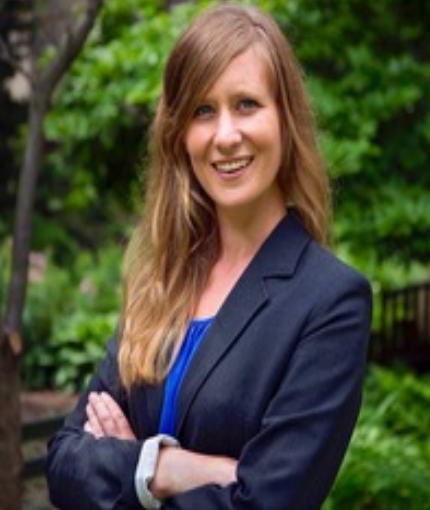
Photo: https://nd.academia.edu
Rachel Sweet, Ph.D., is with The Frontline Observatory organization, and was the next speaker. “I’ll be drawing on five years of experience on the ground in Democratic Republic of Congo in various capacities, including as an investigator of armed conflict. I’ve also had numerous conversations over the past several weeks with people on the ground from health care workers to community leaders. The starting point is that there is a twilight zone of difference between how these areas are portrayed typically international and what they are like on the ground with the lived experience of being there.”
“Typically, we hear about these areas being reported through journalists who often times aren’t able to be directly on the ground or to get outside of the narrow parameters of compound walls and how to operate with various escorts. The vantage point from the ground is that it’s not the conflict itself that is going to be the key obstacle to containing the virus instead, it’s our cliches about the conflict and about the community that is living under it…the reality is that for decades since the initial Congo wars, the nineteen nineties and early two thousands violence and the state are deeply intertwined and this is the primary security threat to the current response to the Ebola crisis.” The Mississippi Link newspaper asked Dr. Sweet to go a bit deeper about the cliches that become barriers. “The main cliches I would draw attention to are that people have come to believe that the nature of the conflict is non-state in nature when it actually is. Using that false lens prevents people from seeing how local and national authorities are complicit in the conflict.
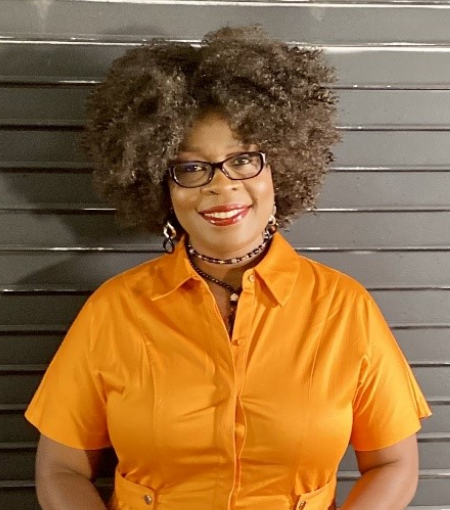
The final speaker was Pamela Asobo-Anchang, Editor-in-Chief and Publisher of Immigrant Magazine. “I’ve spoken to Cameroonians, Ugandans, Nigerians, Tanzanians, and a woman at a conference who had just returned from Uganda, and she acted as if it was no big deal. Within the diaspora there is a mixed bag of responses. People are not paying attention to this outbreak. People are skeptical of what’s being reported. Some people are leaning into superstitions instead of science. Most expressed deep regret in the reductions to USAID. I spoke to a Nigerian attorney who represented a nurse who had worked in Suriname and when she returned to the United States, she lost her job solely based on the stigma of having been there.”
The entire briefing, including all questions and answers, can be viewed on YouTube at https://www.youtube.com/watch?v=FZei0t99f6U&t=3005s.
Be the first to comment