
By Othor Cain,
Contributing Writer,
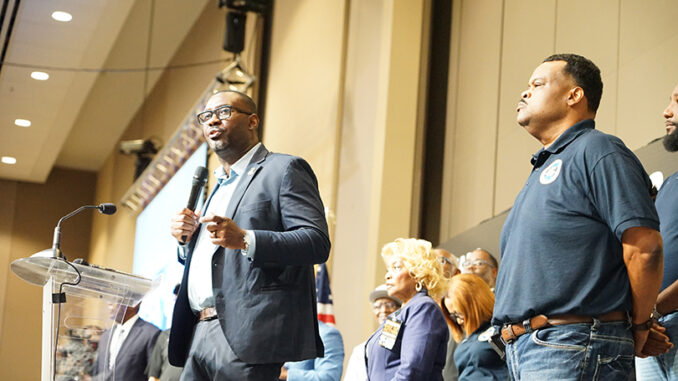
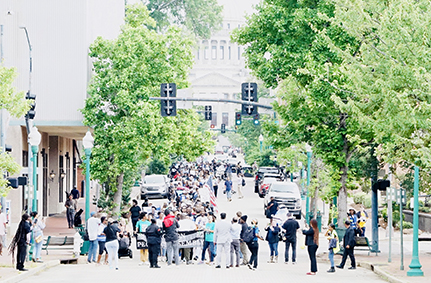
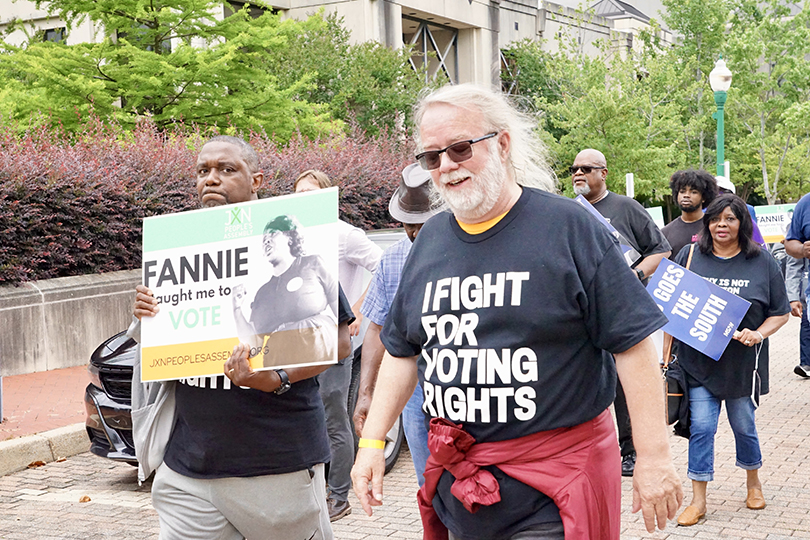
 The rally at the Old Mississippi Capitol carried the weight of history. For many gathered there, it felt like returning to the crime scene, standing on the same ground where lawmakers once used the power of government to strip Black Mississippians of their rights and silence their voices at the ballot box.
The Capitol remains a symbol of decisions rooted in racism, where elected officials once designed laws meant to push Black citizens out of democracy. Now, generations later, hundreds returned to that same place with a different message, Mississippi will not go backward.
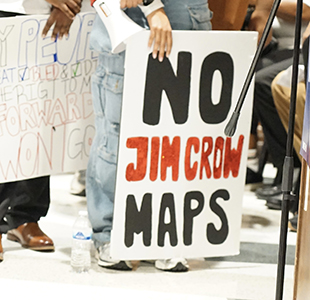
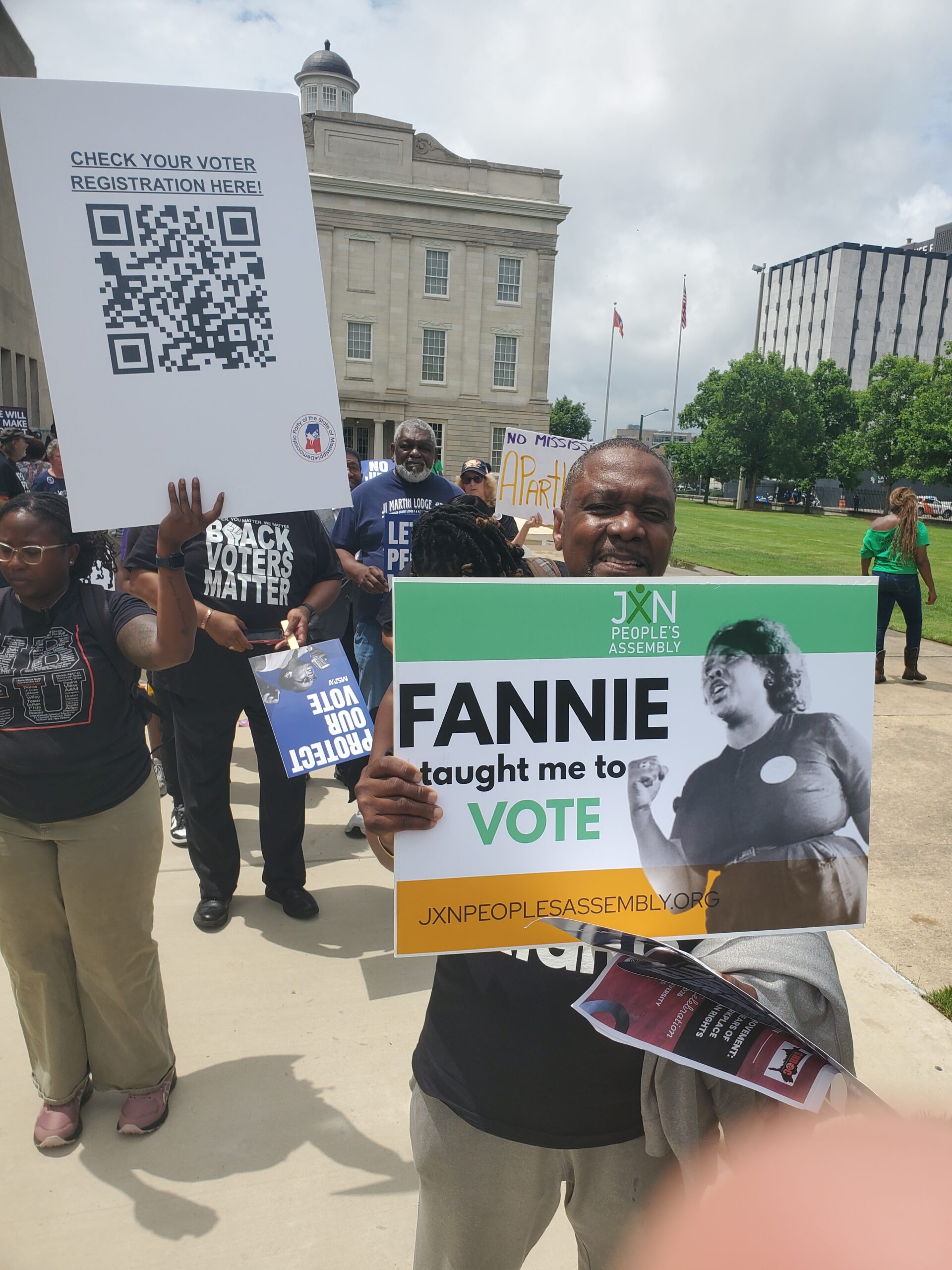
Voices echoed across the Capitol grounds as speakers warned that new efforts to redraw voting lines threaten to repeat the injustices of the past. The crowd carried a common theme throughout the morning, “We are not going back.” Organizers and community leaders said attempts to dilute the Black vote through unfair district maps cannot be allowed to happen again. They argued that every person in Mississippi deserves fair representation and that racially drawn maps only keep communities divided.
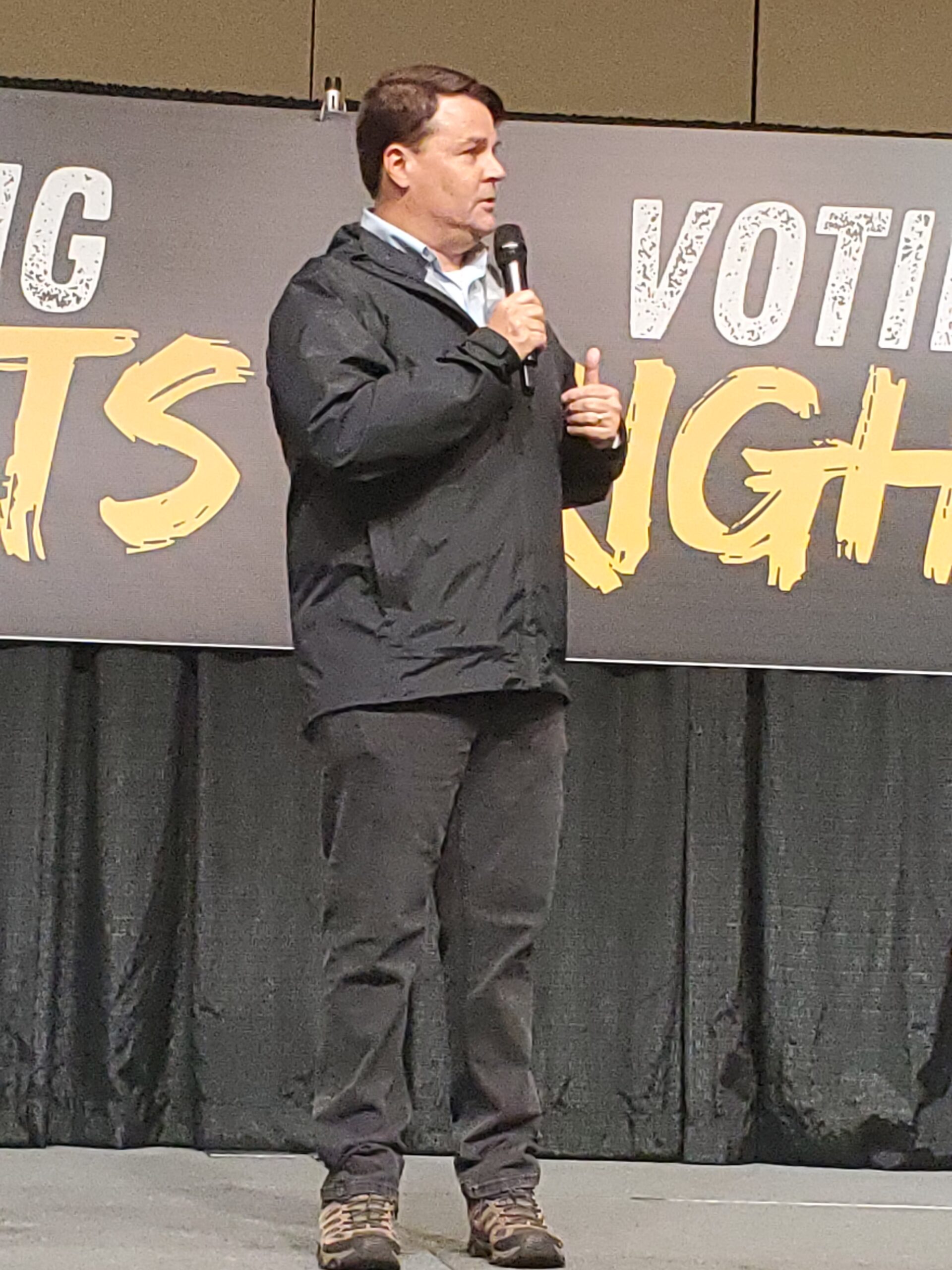 Speaker after speaker reminded the crowd that the people are paying attention. What once happened quietly behind closed doors is now being challenged publicly by citizens determined to protect the right to vote. Many described the gathering as both a warning and a declaration, a refusal to allow history to repeat itself in the same halls where Black political power was once intentionally erased. “We cannot allow this to happen,” said Margaret Smith from Greenville, Mississippi. “I woke up the other morning and thought it was 1926 instead of 2026.”
As the rally continued, the message became larger than politics alone. Participants framed the fight for voting rights as a moral issue tied to dignity, equality, and justice. “Mississippi belongs to all of God’s people,” declared CJ Rhodes, pastor of the historic Mt. Helm church in Jackson, to applause from the crowd. And with that came the promise repeated throughout the morning, “We shall not go back.”
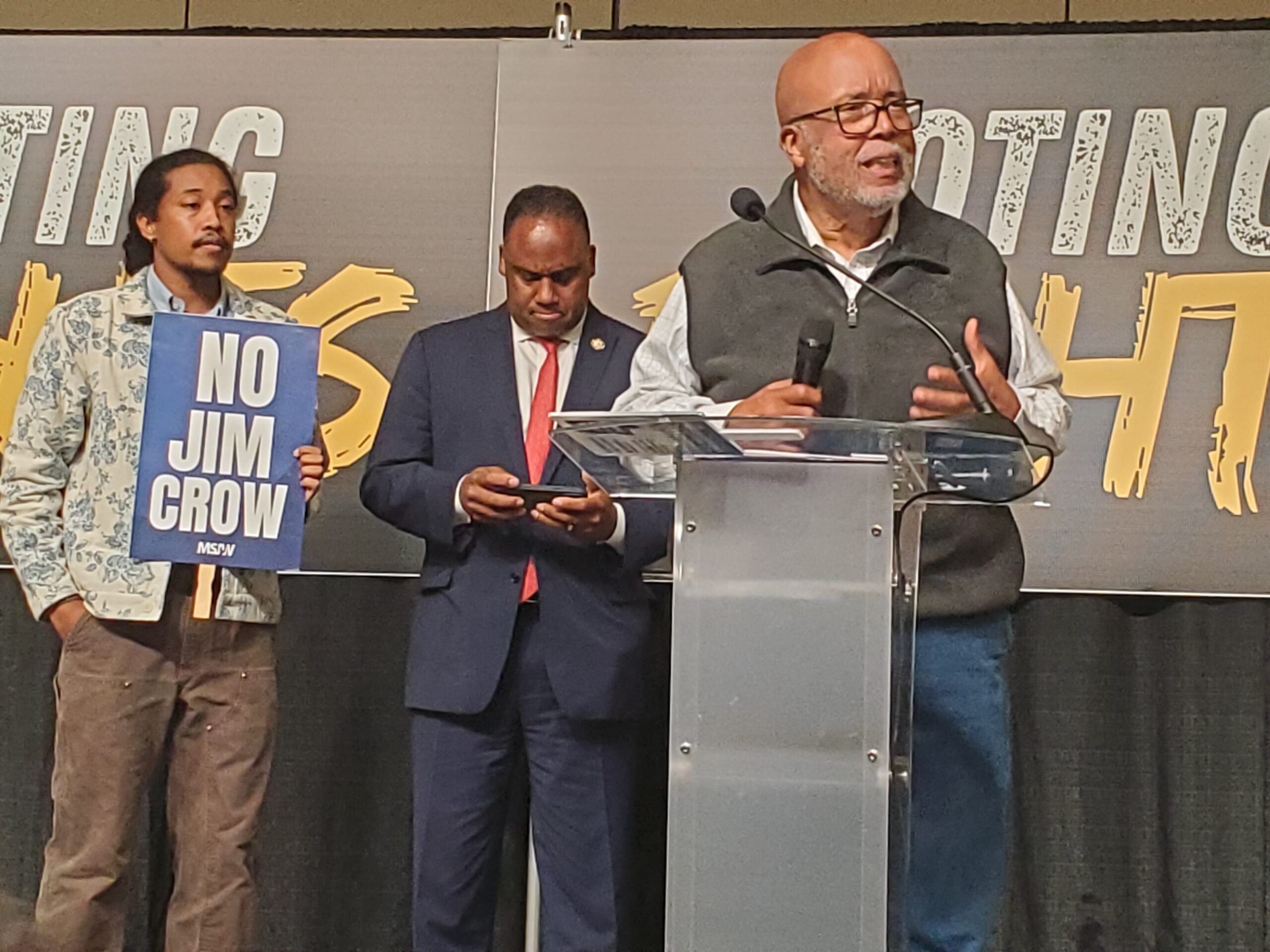
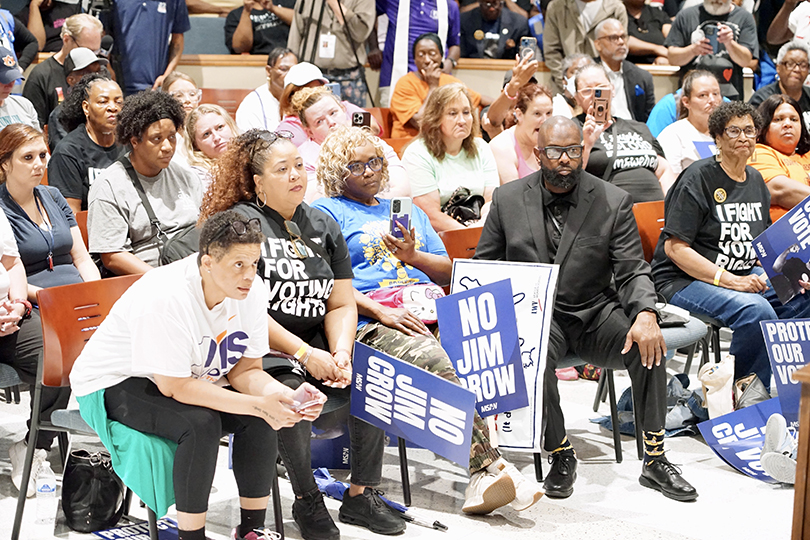
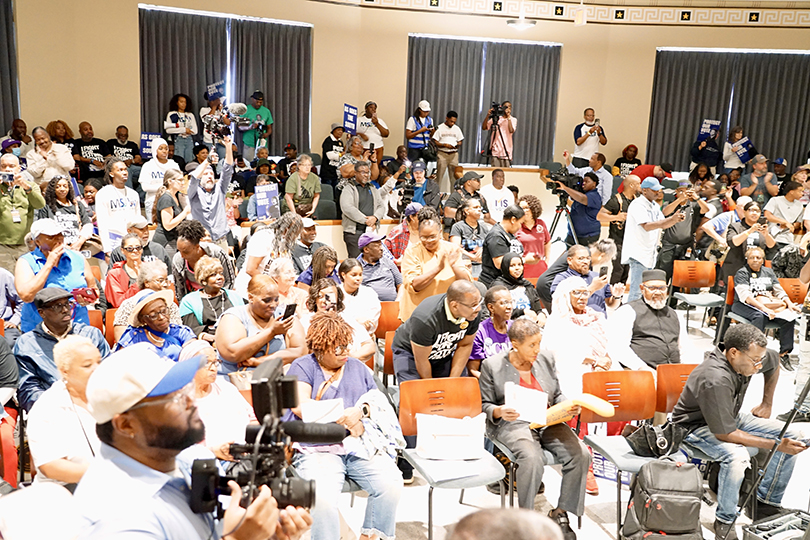
The crowd swelled at the 11:15 gathering, transforming what began as a town hall into what felt like a national stage. The convention center filled with energy as the Native Land podcast hosted a town hall-style event featuring Congressman Bennie Thompson and Congressman Jonathan Jackson of Illinois.
For some attendees, the program felt performative at times and lacking in substance. But Congressman Bennie Thompson cut through that perception with a direct reminder of the stakes facing Mississippi’s 2nd Congressional District.
“I can show you what terror looks like,” Thompson said. “We are not going anywhere.” Thompson’s comment was in direct response to a social media post made by Governor Tate Reeves.
His [Thompson] words reframed the moment, grounding the conversation in the reality of voter suppression and the ongoing attacks on Black political power.
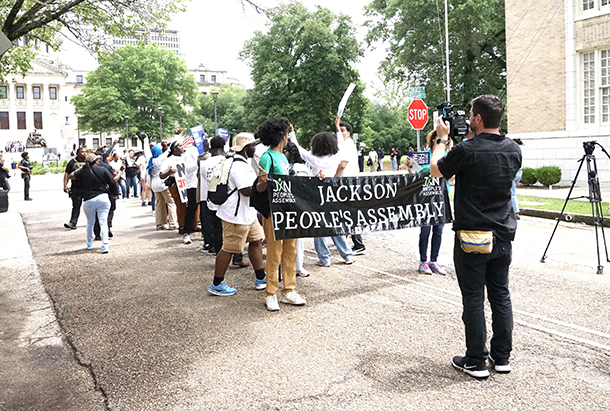
Outside of the planned program, young people marched from the Old Capitol and interrupted the town hall. For many in attendance, it was a necessary interruption, a reminder that urgency cannot always be scripted or moderated.
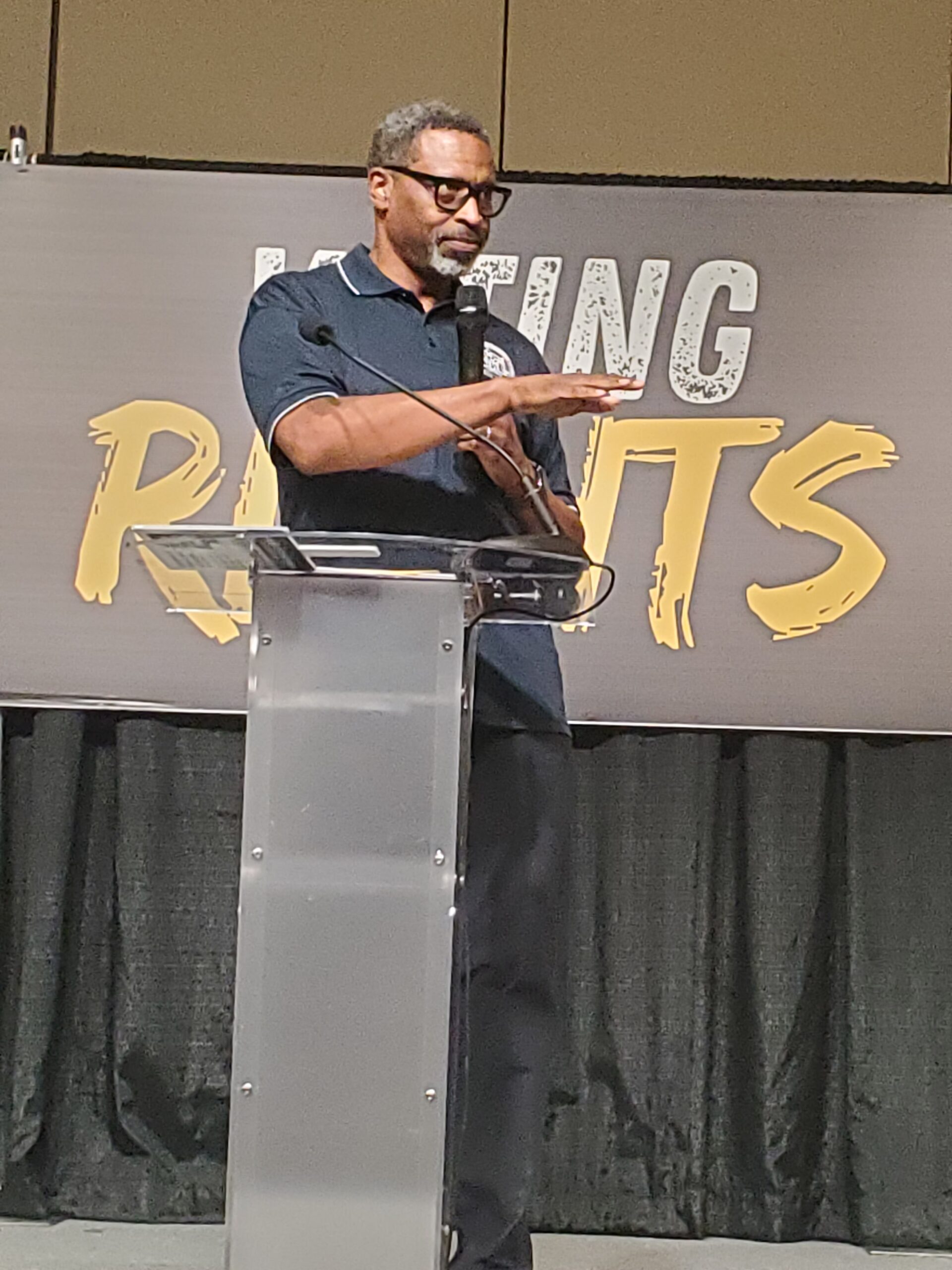
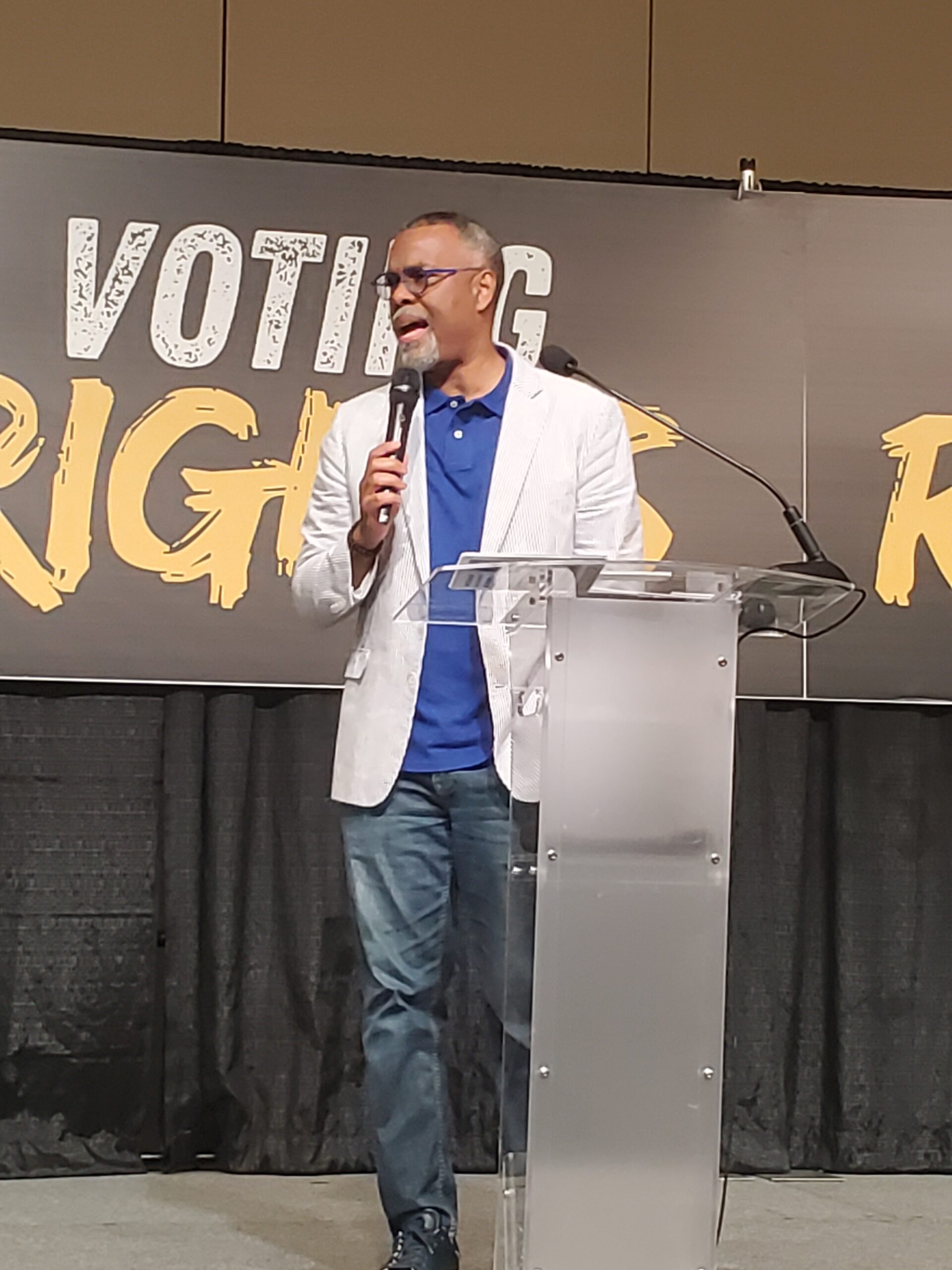
 NAACP President Derrick Johnson emphasized unity and collective responsibility, telling the crowd: “We are all that we need if we lean into each other.”
Thompson also underscored what he believes is at the heart of the current political fight, “We have an opportunity to level set what is happening in this country. They are trying to say the hands that picked cotton can’t pick our representatives or elected officials.”
The gathering ultimately became more than a podcast event. It reflected frustration, resistance, organizing, and the continuing debate over what meaningful political action should look like in this moment.
Be the first to comment