
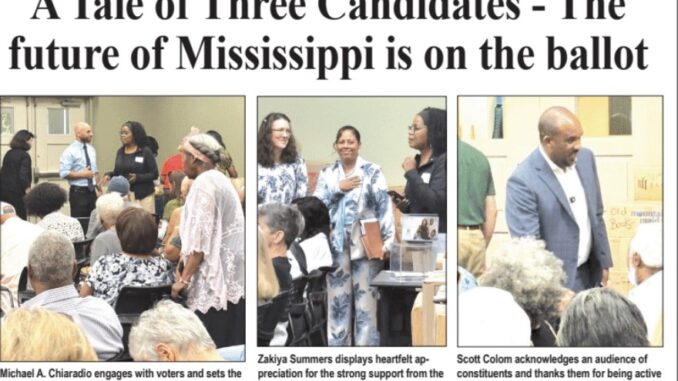
By Rasheda Bell, Ph.D.,
Contributing Writer,
Three candidates. Three distinct paths. One message: Mississippi’s future is at stake.
Recently, the Mississippi Federation of Democratic Women hosted a well-attended meet-and-greet, bringing together community members from across local districts to hear directly from candidates seeking vital offices in the November 3rd election.
The gathering was more than a meet-and-greet. Attendees received educational materials, election day resources, and even a copy of the United States Constitution—tools designed to encourage informed and active participation in the democratic process.
The conversations were equally substantive. With Mississippi families facing mounting economic pressures, the candidates spoke to issues that resonated deeply with many in attendance: the cost of living, rural development, healthcare, education, wages, civil liberties, and the future of Mississippi’s economy.
Each candidate brought a different life story and a distinct perspective.
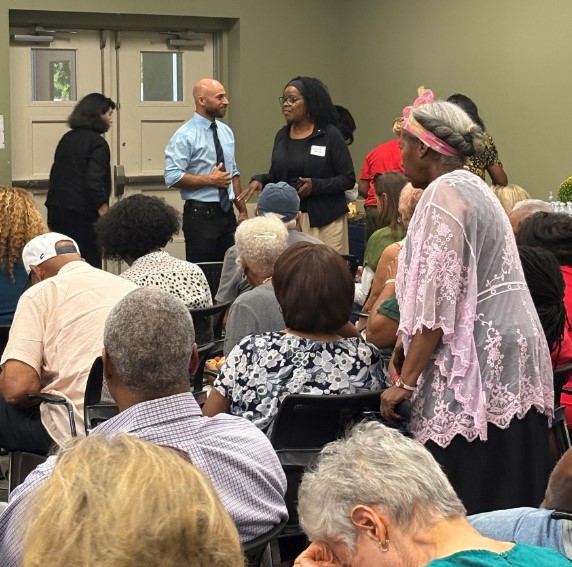
Michael Chiaradio, a local rural farmer, former finance professional, and former baseball athlete, focused on the economic challenges facing rural Mississippi. His message centered on expanding rural development, restoring support for farmers, and rebuilding an economy that works for Mississippi communities. Chiaradio’s strategy emphasizes hard work, perseverance, and delivering results. He has experience as a supervisor providing health insurance support related to Medicaid and the Affordable Care Act. He said he is running for Congress because he believes Mississippi deserves better.
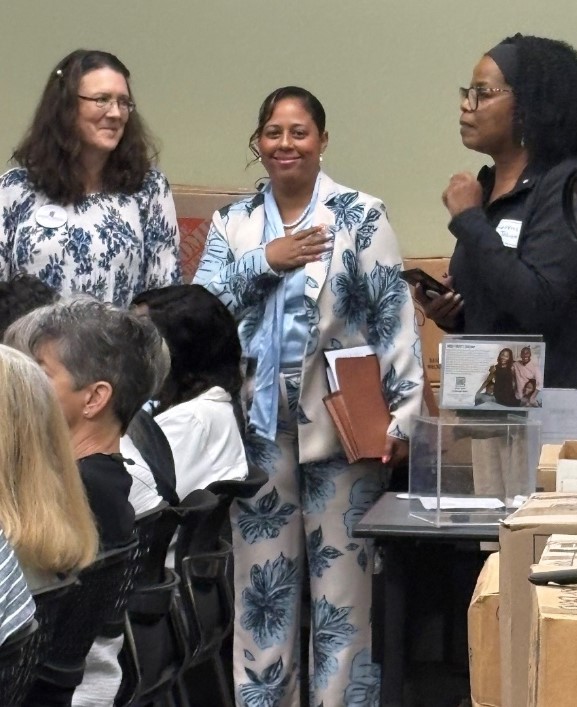
Zakiya Summers, seeking reelection to the Mississippi House of Representatives in 2027, highlighted her advocacy for HBCUs, women’s rights, equity, and protections for working families. She emphasized the importance of investing in Mississippi and reminded attendees of a sentiment that remains deeply personal for many residents: Mississippi matters, and there’s no place like home. Summers quoted James 2:17, “faith without works is dead,” interpreting the passage as a call to action: Mississippians must do the work necessary to bring the power of their faith to full fruition. She emphasized the importance of ensuring that all mothers have access to prenatal care and health insurance. Summers said that by keeping their eyes on the prize, they can achieve their goals.
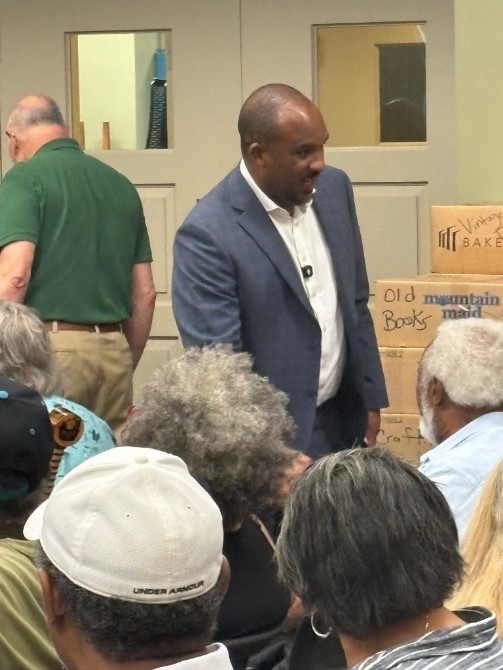
Scott Colom, whose career has included work as a prosecutor, judge, and district attorney, invoked the legacy of civil rights icon John Lewis and his call to get into “good trouble.” Colom outlined his priorities around healthcare reform, higher wages, and lowering costs, pledging to make those issues a priority from day one if elected. Colom proposes eliminating taxes for police officers and teachers as a way to recruit and retain the best workers in those professions. He has pledged to put Mississippi first and to work with Republicans, Democrats and Independents to achieve positive outcomes for the state. He is running for the U.S. Senate on a platform that includes lowering costs for families, supporting Mississippi hospitals and bringing good-paying jobs back to the state.
Though their professional backgrounds and personal journeys differ considerably, the candidates emphasized citizen participation and a more engaged approach to governance. Their remarks reflected concerns voiced by many Mississippians about government accountability and policies they believe have contributed to persistent challenges involving civil liberties, healthcare, and affordability.
The discussion did not stop there.
Attendees raised questions about oversight of artificial intelligence data centers, support for public schools, the effects of tariffs, the impact of the war in Iraq, and other issues affecting Mississippi communities and families.
What emerged from the evening was not simply a collection of campaign messages, but a broader conversation about what Mississippians expect from their elected officials—and what role voters will play in shaping the state’s direction.
They traveled very different roads to arrive at this moment.
But standing before the community, they shared one central message: The future of Mississippi is on the ballot.
Be the first to comment